 Written by
 Stop looking at the gold foil and the heavy-set fonts on the label as if they’re some kind of divine revelation. Most people think that knowing how to choose wine for someone else requires a degree in viticulture or a bank account that doesn’t flinch at a triple-digit price tag, but that is a load of nonsense designed to make you feel small. I’ve spent thirty-eight years watching people buy bottles they don’t understand to impress people they don’t even like, only to end up with a liquid that tastes like expensive regret. If you’re trying to find a gift, you aren’t looking for a trophy; you’re looking for a connection.
I’m not here to give you a lecture on soil acidity or the nuances of tannins that you’ll forget by dessert. Instead, I’m going to tell you how to read the person across the table—or the person receiving the gift—so you can pick something that actually resonates. I’ll show you why the most thoughtful choice is rarely the most expensive one, and how to navigate the wine list without feeling like a fraud. This is about practicality and respect, not hype.
Beyond Red vs White Wine Preferences

Most people think they’ve done their homework if they can distinguish between a Pinot Noir and a Cabernet, but that’s just surface-level stuff. When you’re looking for the best wines for gifting, you have to look past the basic red vs white wine preferences and start thinking about the context of the person receiving it. I spent decades watching guests order based on a mood rather than a manual. Some people want a heavy, tannic red because they want to feel grounded, while others need a crisp, high-acid white to cut through a sense of fatigue.
You aren’t just buying fermented grape juice; you are buying a sensory response. If you want to impress, stop obsessing over the label and start understanding wine varietals in relation to how your friend actually lives. Do they host big, boisterous Sunday roasts, or are they the type to sit quietly with a book? A massive, oaky Chardonnay might feel like an intrusion in a small, contemplative house, just as a delicate Rosé might feel trivial at a celebratory feast. It’s about the weight of the gesture, not the price on the tag.
The Etiquette of the Gesture
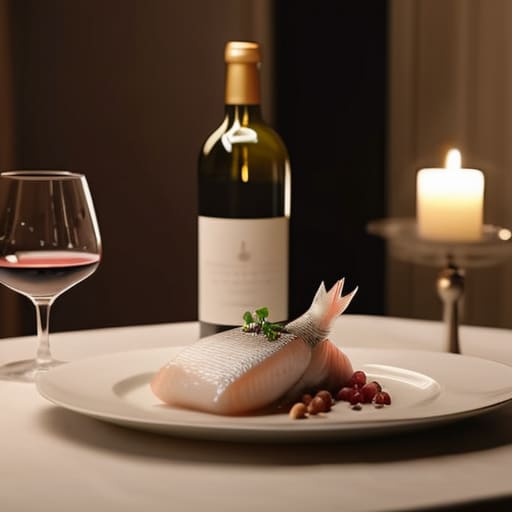
There is a specific kind of social friction that occurs when you hand someone a bottle and they feel an immediate, heavy obligation to open it right then and there. If you’re bringing a gift to a dinner party, you have to navigate the unspoken rules of wine gift etiquette without looking like you’re trying to audition for a sommelier role. The most important thing to remember is that you aren’t just handing over a liquid; you are handing over a decision. If you bring a heavy, tannic Cabernet to a host who has spent all day preparing a delicate sea bass, you haven’t given a gift—you’ve given them a problem.
I always tell my old staff that the best gesture is one that respects the host’s labor. If you aren’t sure about their cellar, don’t try to be a hero with a rare vintage that demands decanting and specific glassware they might not have. Instead, look for reliable, high-quality bottles that don’t demand a performance. It’s better to bring a well-regarded, budget friendly wine gift that can be enjoyed casually on a Tuesday than a prestige label that makes the host feel like they have to work for their own evening.
Five Rules for Not Making a Fool of Yourself
- Stop looking at the price tag as a proxy for quality. If you’re buying for a collector, they’ll see right through a flashy, overpriced bottle that lacks character; if you’re buying for a casual drinker, a £50 bottle of something “complex” will just sit in their cupboard gathering dust because they’re too intimidated to open it.
- Match the wine to the setting, not just the person. If you know they’re hosting a big, boisterous Sunday roast, don’t bring a delicate, nervous Pinot Noir that’ll get bullied by the gravy; bring something with enough backbone to stand up to the table.
- Respect the cellar, even if you aren’t in it. If you know the person has a serious collection, don’t show up with something that needs immediate drinking unless you’ve specifically checked they have the space and the temperament for it. You aren’t just giving them a drink; you’re giving them a task.
- When in doubt, lean on the classics. It sounds unimaginative, but a well-made, reliable Burgundy or a solid Barolo is a safe harbor for a reason—they are the universal languages of hospitality, and they rarely offend the palate or the ego.
- Consider the “drinking window” as a courtesy. There is nothing more awkward than gifting a bottle that is either too young to be palatable or so old it’s turned to vinegar. If you don’t know the vintage’s trajectory, stick to something meant to be enjoyed the moment the cork flies.
The Bottom Line on Giving Wine
Stop trying to impress with a price tag that makes your own bank account wince; a bottle is a gesture of connection, not a demonstration of net worth, and most people can smell the insecurity of an overspent gift from across the table.
Remember that the best wine is the one that actually gets drunk, so don’t buy a precious, fragile vintage for someone who prefers a robust, easy-drinking crowd-pleaser just because you think it looks more sophisticated on the shelf.
Respect the host’s space by choosing something that doesn’t require a PhD to open or a specific temperature that they can’t provide; the goal is to add to the evening, not to hand them a logistical headache to deal with once the guests have gone home.
The Cost of a Wrong Bottle
When you’re buying for someone else, stop looking for the label that makes you look smart and start looking for the one that makes them feel seen; there is nothing more expensive than a three-hundred-pound bottle that sits untouched because it doesn’t match the mood of the table.
Rosalind Achterberg
The Last Pour
At the end of the day, choosing a bottle for someone else isn’t a math problem to be solved with a price list or a textbook definition of tannins. It’s about listening to what they actually enjoy—not what they claim to enjoy to sound sophisticated—and matching that to the reality of the moment. Whether you are navigating the subtle etiquette of a dinner party or trying to find a gift that doesn’t feel like a last-minute supermarket grab, remember that the goal is connection, not a display of your own cellar credentials. You’ve looked past the labels and the basic color categories; now, you just have to trust that a thoughtful selection is worth more than a trophy bottle that sits untouched on the table.
I spent nearly three decades watching people overthink the wine list while the food grew cold and the conversation withered. If there is one thing I learned from the trenches of my own dining room, it’s that the best wine is never the one that costs the most, but the one that makes the person sitting across from you feel truly seen. Don’t let the fear of picking the “wrong” vintage paralyze you. A bottle is just fermented fruit and glass; the magic is in the intent behind it. So, pick something honest, serve it with a bit of grace, and remember that the best vintage is always the one shared with good company.
Frequently Asked Questions
If I’m bringing a bottle to a restaurant that already has a massive list, am I being a guest or a nuisance?
You’re a guest, provided you follow the unwritten rules. Bringing a bottle shows taste, but walking into a room with a massive cellar and demanding they waive the corkage fee is how you become a nuisance. Check the policy first. If they charge, pay it without a second thought—that fee isn’t a penalty; it’s the cost of the glassware, the service, and the space you’re occupying. Respect the house, and you’ll be welcomed.
How do I figure out what someone actually likes if they’re the type who just says "anything is fine" to avoid looking difficult?
The “anything is fine” crowd is the most dangerous table in the room. They aren’t being easy; they’re being polite, which is its own kind of exhausting. Don’t ask them what they like—ask them what they don’t like. “Are you a fan of heavy tannins?” or “Do you prefer something crisp or something with a bit of weight?” It turns a vague question into a technical one. It’s much easier to say “no” to a specific thing than to commit to a preference.
Is it better to spend more on a name-brand label they'll recognize, or a smaller, better bottle that shows I actually did some legwork?
If you’re buying for a collector, go for the name they recognize—they’ll know the vintage and the math behind the price. But for anyone else? Buy the smaller, better bottle. A big, famous label can feel like you’re just trying to solve a problem with a credit card. A thoughtful, lesser-known bottle tells them you actually sat down, thought about their palate, and did the work. That’s the difference between a transaction and a gift.
