
 Written by
 I remember one Tuesday night in 2014, standing in my kitchen at 1:00 AM, staring at a floor that felt like it was breathing. My head chef had left an hour early, the dishwasher had “forgotten” to clean the grease traps, and I was staring at a stack of reconciliation sheets that simply didn’t add up. People love to talk about the glamour of the service, but they never talk about the exhaustion of the aftermath. Most consultants will give you a glossy, ten-point checklist on how to close a restaurant properly, treating it like a simple matter of flipping switches and locking doors. They don’t tell you that a messy close is where your profit margins go to die, or how a rushed cleanup can break the spirit of your best staff before the morning prep even begins.
I’m not here to give you a sanitized manual written by someone who has never had to scrub a carbonized oven at midnight. Instead, I’m going to show you the unvarnished reality of the end-of-night grind. We’ll talk about the actual cost of cutting corners, how to protect your inventory without micromanaging your team into quitting, and why the way you finish tonight dictates whether you actually make money tomorrow.
Winding Down Restaurant Operations Without Losing Your Shirt

When people talk about winding down restaurant operations, they tend to focus on the dramatic stuff—the “Closed” sign in the window or the final celebratory staff meal. But the real work is in the quiet, unglamorous math of the exit. You aren’t just stopping service; you are untangling a web of obligations. I remember sitting in my office at three in the morning, staring at a stack of invoices, realizing that liquidating restaurant assets wasn’t just about selling the heavy-duty mixers and the fine glassware; it was about deciding what was worth saving and what was just taking up space you no longer owned.
You have to be surgical. This means more than just a frantic restaurant shutdown checklist; it means a methodical approach to notifying food vendors and suppliers well before the final delivery arrives. If you miss that window, you’re paying for crates of shallots you’ll never peel. More importantly, you have to face the human side. If you’re forced into a position of managing employee layoffs with empathy, do it with dignity. They aren’t just line items on a spreadsheet; they are the people who carried your plates when you were too tired to stand. Handle the paperwork, but don’t forget the people.
Liquidating Restaurant Assets Before the Value Vanishes

When it comes to liquidating restaurant assets, most people make the mistake of thinking they are selling kitchen gear. You aren’t; you are selling liquidity. Every day that a high-end Rational oven or a set of copper pans sits gathering dust in a dark dining room, it is losing value. I learned the hard way that if you wait until the doors are officially locked to call the auctioneers, you’ve already lost thirty percent of your margin. You need to start identifying what is truly essential and what is just clutter well before the final walk-through.
The real headache, however, isn’t the heavy lifting; it’s the paperwork. Liquidating restaurant assets requires a surgical approach to your inventory. You have to balance the quick cash from a bulk sale against the headache of individual listings. Don’t forget that your equipment isn’t just metal and wires—it’s tied to your insurance and your tax liabilities. If you don’t have a clear, documented trail of what was sold and for how much, you’ll be handing half your remaining profit straight to the taxman. Do the math twice before you sign anything.
The Real Work Starts When the Last Plate is Washed
- Don’t treat your staff like they’re on a timer; a rushed close is how you lose your best people. If you’re pushing your floor staff to sprint out the door the second the last guest leaves, you’ll find yourself staring at an empty rota by next month. A proper close includes five minutes of quiet debriefing—not to micromanage, but to catch the small mistakes, like a broken glass in the ice bin or a menu typo, before they become tomorrow’s disasters.
- The till isn’t just a box of cash; it’s your daily autopsy. I learned the hard way that if you don’t reconcile every penny, every tip, and every voided transaction before you turn the key, you’re just inviting theft or error to sit there and fester. You need to know exactly why you’re down fifty quid before you go home, or you’ll spend the whole morning wondering if it was a mistake or a thief.
- Inventory management isn’t a chore for the morning shift; it’s the only way to stop your profits from rotting in the walk-in. If you aren’t counting your high-value proteins and your most expensive spirits every single night, you aren’t running a business, you’re running a charity. A quick, disciplined check ensures you aren’t over-ordering perishables that will end up in the bin by Wednesday.
- Cleanliness is a financial decision, not just a hygiene one. When you let the grease build up on the extraction filters or the grime settle in the corners of the prep station, you aren’t saving labor costs—you’re just deferring a massive repair bill or a health inspector’s fine. A deep, methodical close protects your equipment, and in this industry, your equipment is often the only thing standing between you and a total shutdown.
- Lock the doors, but keep the mental books open. Before you head to the pub or your own bed, take ten minutes to look at the labor-to-sales ratio for that specific night. If you had three servers on the floor for a Tuesday night that only saw four covers, you didn’t “close properly”—you just paid for the privilege of standing around. You have to be honest with the numbers every single night, or the numbers will eventually lie to you.
The Hard Truths to Carry Home
Closing isn’t just about the physical labor; it’s about protecting your margins by ensuring every ounce of stock is accounted for and every labor hour is justified before the lights go out.
When you’re winding down, your reputation is your most liquid asset—don’t burn your bridges with suppliers or staff just to shave a few pounds off a final settlement.
Treat your exit with the same precision you treated your service; a messy, disorganized shutdown will cost you far more in legal fees and lost value than a disciplined, planned departure ever will.
The Final Check
Closing a restaurant properly isn’t about the dramatic flair of turning off the sign; it’s about the quiet, unglamorous discipline of ensuring your books balance, your staff feels respected rather than discarded, and you haven’t left so much loose change on the floor that you’ve bled your own retirement dry.
Rosalind Achterberg
The Final Service
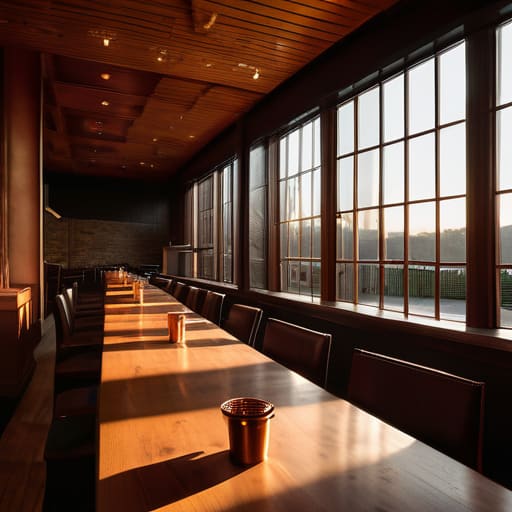
Closing a restaurant isn’t a single event; it’s a slow, methodical unraveling of everything you’ve built. You’ve looked at the spreadsheets, you’ve tallied the scrap value of your heavy-duty ranges, and you’ve faced the reality of what your lease and your labor costs are actually doing to your bottom line. Whether you are winding down operations to preserve what little cash is left or liquidating every copper pot to settle a debt, the goal remains the same: exit with your dignity and your credit intact. Don’t let the emotional weight of the dining room cloud your judgment when it comes to the math. If you try to hold on to a sinking ship just because you love the way the light hits the tables at seven o’clock, you aren’t being romantic—you’re being reckless with your future.
I know how heavy that key feels in your hand when you realize you aren’t coming back to open the doors tomorrow. There is a specific kind of grief in seeing a dining room go dark, but remember that a restaurant is a chapter, not the whole book. You have fed people, you have navigated the chaos of a Friday night rush, and you have learned lessons that no catering college could ever teach. If you close properly—with clear accounts, honest conversations with your staff, and a strategic eye on your assets—you aren’t failing. You are simply completing the service. Take what you’ve learned, keep your notebook close, and know that the industry will always have a seat for someone who knows how to handle the truth.
Frequently Asked Questions
How do I handle the staff and the inevitable fallout when the news finally breaks?
You don’t do this via a mass email or a frantic group chat. You look them in the eye. If they’ve been good to you, they deserve the truth before the gossip mill starts grinding. Be direct about the timeline and the “why”—whether it’s the rent or the bottom line. It’ll be messy, and some will be angry, but you owe them the dignity of a straight answer rather than a whispered rumor.
What is the most efficient way to settle with suppliers so I don't get sued while I'm trying to exit?
Don’t play hide-and-seek with your creditors; it’s the fastest way to turn a messy exit into a legal nightmare. Pick up the phone. Call your main suppliers—the ones who’ve been with you through the lean years—and be honest about the timeline. A structured, written repayment plan is worth ten times more than a ghosted invoice. It’s about preserving your reputation, even when the bank account is empty. Integrity is the only asset you get to keep.
At what point do I stop trying to "fix" the numbers and just accept that the lease is the thing killing me?
You stop trying to fix the numbers the moment your food cost and labor are perfect, but your bank balance still bleeds every month. If you’ve trimmed the menu, tightened the rota, and cut the waste, yet that rent check still feels like a ransom note, the math is done. You can’t cook your way out of a bad lease. Stop rearranging the garnish and start looking at the exit door.
