
 Written by
 I spent my first five years in this trade thinking that “luxury” meant marble countertops and a wine list that required a magnifying glass to read. I was wrong, and more importantly, so are the glossy lifestyle magazines that claim you can launch a culinary empire with nothing but passion and a sourdough starter. Most people looking for advice on how to open on a small budget are being sold a lie that says you can cut corners on the essentials; they think “lean” means “cheap,” but in a kitchen, cheap is just a slow way to go bankrupt. You don’t need a designer dining room to be successful, but you do need to understand that every cent you save on a fancy light fixture is a cent you can use to ensure your prep cook actually shows up on a Friday night.
I’m not here to give you a motivational speech or a checklist of Pinterest-ready decor ideas. I’m going to tell you the truth about where your money actually goes—from the hidden tax of food waste to the brutal reality of lease negotiations—and how to build a business that actually survives its first year. This isn’t about cutting corners; it’s about strategic survival. We are going to talk about the hard, unglamorous math of keeping the lights on, because a restaurant is a business that happens to serve dinner, and if you don’t get the math right, the dinner won’t matter.
Minimizing Initial Capital Expenditure Without Sacrificing Soul
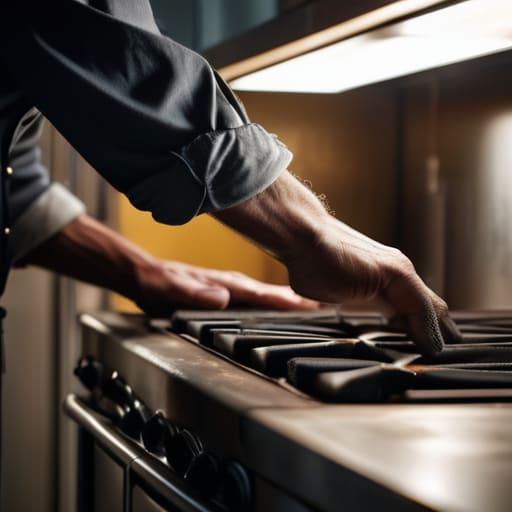
When I was starting out, I thought a shiny, stainless steel kitchen was a sign of success. It isn’t. It’s a sign of a massive loan that will keep you awake at 3:00 AM. If you want to survive the first six months, you need to focus on minimizing initial capital expenditure by being ruthlessly pragmatic about what actually touches the plate. Buy the secondhand heavy-duty ranges and the refurbished refrigeration units; just make sure you have a technician on speed dial who won’t charge you a week’s wages to fix a faulty seal. Sourcing affordable equipment isn’t being cheap—it’s being smart enough to keep your cash flow liquid for when the real emergencies hit.
The real trap is trying to build a cathedral when you only need a kitchen. You don’t need hand-blown glassware or custom-carved banquettes to create an atmosphere. You need a cohesive vision and a way to manage reducing overhead costs for startups without making the guest feel like they’re dining in a school canteen. I always told my staff: if the customer can’t see the difference between a bespoke chair and a well-maintained vintage one, put that money into the butter instead.
Sourcing Affordable Equipment That Wont Break Your Heart
When you’re looking at a spreadsheet of what you need to get started, the temptation is to buy everything shiny and new. It feels safer that way, doesn’t it? Like a brand-new combi-oven is a shield against failure. But after twenty-six years of listening to the temperamental hum of kitchen machinery, I can tell you that a shiny sticker is often just a way to bleed your bank account dry before you’ve even served your first amuse-bouche. Sourcing affordable equipment isn’t about being cheap; it’s about being smart with your limited runway.
I spent a decade hunting for second-hand stainless steel and high-end refrigeration from places that were closing down—often because the owners had more heart than sense. You can find a professional-grade range for a fraction of the retail price if you know where to look. The trick is knowing which items are the “workhorses” and which are the “divas.” Buy a used, heavy-duty fridge that’s been serviced, but maybe don’t gamble on a refurbished dishwasher that’ll leave you hand-washing plates at midnight. When you are minimizing initial capital expenditure, you have to prioritize the gear that keeps the food safe and the heat consistent. Everything else is just window dressing.
Five Hard Truths for the Tight-Fisted Founder

- Keep your menu short enough to memorize. Every extra ingredient you stock is just more cash sitting in a walk-in fridge waiting to rot, and if you can’t use an item in three different ways across your menu, it’s a luxury you can’t afford.
- Hire for temperament, not just technique. You can teach a steady hand how to plate a risotto, but you can’t teach a person how to care about a guest when they’re exhausted at 10:00 PM; in a small operation, one bad attitude is a hole in your hull.
- Don’t over-invest in the “front of house” theatre. People will forgive a chipped plate or a mismatched chair if the food is honest and the service is warm, but they will never forgive you for spending your entire deposit on designer lighting while your kitchen staff is sharing one blunt knife.
- Master your own inventory before you hire an accountant. You need to know your food cost to the penny, down to the weight of the butter, because “roughly” is the word that kills small businesses.
- Negotiate your way into existence. Don’t just accept the first delivery quote or the first rent increase; most suppliers and landlords would rather have a reliable, consistent tenant than a high-flying dreamer who defaults on their first month.
The Hard Truths to Carry in Your Pocket
Don’t let a shiny new oven trick you into thinking you’re ready; buy the used gear that works, but keep enough cash in reserve to fix it when it inevitably quits on a Friday night.
A massive menu is just a fancy way of saying you’re throwing money in the bin; keep your offerings tight and your ingredients moving so you aren’t paying for waste you can’t afford.
Your biggest expense isn’t the rent or the linen—it’s the people, so hire for the temperament that keeps a kitchen calm, because a single bad personality will cost you more than any broken dishwasher ever could.
The Myth of the Grand Opening
Everyone thinks a small budget means you have to compromise on the food, but they’ve got it backwards. A small budget means you don’t have the luxury of a massive, sprawling menu that hides a messy kitchen; it means you have to be brilliant with ten ingredients instead of fifty, because if you can’t make a single, perfect carrot sing, no amount of polished marble or expensive linen is going to save your bank balance.
Rosalind Achterberg
The Reality of the Long Game

At the end of the day, opening on a budget isn’t about finding the cheapest way to do everything; it’s about being ruthlessly intentional with where you spend. You can buy second-hand ovens and skip the designer linen, but you cannot skimp on the things that actually touch the plate or the people who carry it. If you’ve spent your limited capital on a high-end espresso machine instead of a reliable prep cook or a decent supplier, you haven’t saved money—you’ve just deferred a much larger debt. A lean startup requires you to be the master of your margins, knowing that every cent saved on a fancy storefront is a cent you can use to keep the doors open when the third month of slow Tuesdays hits.
Don’t let the spreadsheets and the equipment lists scare you off, though. There is a specific, quiet magic in a room that feels small because it was built with care rather than excess. When you strip away the unnecessary fluff, you’re left with the only two things that actually matter: good food and a reason for people to sit in your chairs. It will be harder, and you will likely be more tired than you ever expected, but there is nothing quite like the moment the last plate is cleared and you realize you’ve built something that lasts. Just remember to keep your eyes on the books as much as the burners.
Frequently Asked Questions
If I’m cutting corners on the equipment and the decor to save money, how do I stop the place from feeling cheap or unwelcoming to my guests?
You don’t make a place feel “cheap” with the furniture; you make it feel cheap with the details you neglected. If you’re using second-hand tables, make sure they’re solid and steady—nothing kills a mood like a wobbling wine glass. Instead of expensive decor, invest in the things guests actually touch: heavy linen napkins, weighty cutlery, or a well-lit corner. Focus your limited budget on the sensory wins. If the lighting is warm and the plates are clean, they won’t care that your chairs aren’t designer.
How much of a "safety net" should I actually keep in the bank for those first few months when the footfall isn't what the business plan promised?
If you’re relying on your business plan’s projected footfall, you’ve already lost. Plans are fantasies; reality is a Tuesday in February when the heating breaks and three regulars stay home. You need three to six months of absolute operating costs—rent, wages, and the basics—sitting in a separate account, untouched. Don’t call it a “buffer”; call it your survival fund. It’s the difference between a slow month and a permanent “Closed” sign.
Is it better to hire a small, highly skilled team that costs more per hour, or a larger group of cheaper staff that I’ll have to spend all my time training?
Hire the small, skilled team. Every hour you spend correcting a cheap waiter’s mistake is an hour you aren’t managing your margins or fixing the broken dishwasher. Cheap staff is a phantom saving; they cost you in wasted food, lost covers, and your own sanity. I’d rather pay a professional a fair wage to run a section autonomously than babysit five teenagers who don’t know the difference between a Pinot and a Merlot.
