 Written by
 I once sat in a corner booth of a bistro that looked, on paper, like a triumph; the lighting was moody, the linens were crisp, and the wine list was long enough to get lost in. But as I watched the floor, I saw the truth: the server was hovering too much because they had nothing to do, the kitchen was sending out plates with a frantic, unnecessary heat, and the owner was staring at the till with a look of quiet desperation. People think you need a degree in forensic accounting to understand how to know if a restaurant is failing, but you don’t. You don’t look at the glossy Instagram feed or the expensive decor; you look at the rhythm of the room and the way the staff carries their shoulders.
I’m not here to give you a lecture on spreadsheets or some sanitized management theory you’ll find in a textbook. I’m going to tell you what it actually looks like when the math stops working and the spirit starts to fray. We’re going to talk about the real indicators—from the way the menu begins to drift to the subtle signs of staff burnout—so you can see the cracks before the whole ceiling comes down.
The Math of Misery Watching Profit Margins Evaporate

You don’t see a restaurant die in a single, dramatic bankruptcy filing; you see it in the slow, agonizing leak of a bad food cost percentage analysis. I remember sitting in my office at two in the morning, staring at invoices that seemed to grow heavier while the till grew lighter. When the price of shallots jumps twenty percent and you haven’t touched your menu prices in six months, you aren’t just “weathering the storm”—you are subsidizing your customers’ dinners with your own retirement fund.
It’s a math problem that most owners try to solve with hope, which is a terrible way to manage a ledger. You start seeing the cracks in your restaurant cash flow management when you’re delaying the linen service or skimping on the quality of the butter just to make payroll. If you find yourself choosing between fixing a broken walk-in fridge and paying the electricity bill, the math has already decided your fate. It isn’t just about the numbers on a spreadsheet; it’s about the slow erosion of your ability to breathe between the orders and the overhead.
Ghost Tables and the Reality of Declining Foot Traffic Indicators
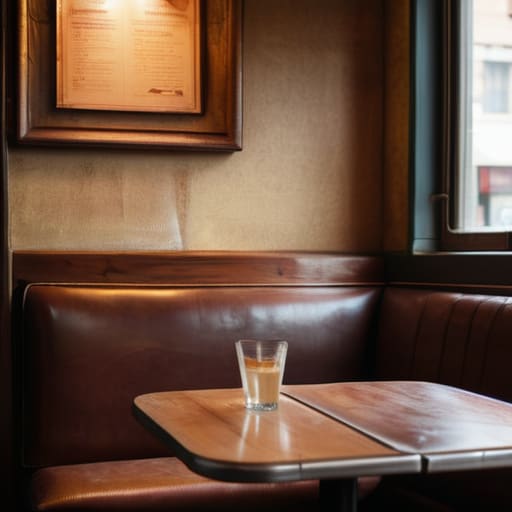
There is a specific kind of silence that settles over a dining room when the momentum has stalled. It isn’t the peaceful hush of a well-managed service; it’s the heavy, hollow quiet of a room waiting for something that isn’t coming. You can see the declining foot traffic indicators long before they show up on a spreadsheet. It starts with the regulars—the ones who used to occupy the same corner booth every Thursday—suddenly becoming a memory. When your “usuals” stop showing, you aren’t just losing covers; you are losing the predictable cash flow that keeps the lights on and the suppliers at bay.
I used to watch the street through the front window, counting the heads passing by. If you see a dining room that feels more like a waiting room than a destination, pay attention. It often leads to a desperate, frantic attempt to fill seats, which usually results in sloppy customer retention metrics. You start seeing more one-off tourists and fewer loyalists, and suddenly, you’re working twice as hard to serve people who will never come back. It is a vicious cycle: the emptier the room feels, the more the staff starts to sense the rot, and that is when the real trouble begins.
The Tells: Five Signs the Engine is Seizing Up
- The “Shrinking Menu” Syndrome. When a menu goes from twelve mains to six in a single month, they aren’t “curating a seasonal experience.” They are terrified of food waste because they can’t afford to throw away a single bruised sprig of parsley. A shrinking menu is a desperate attempt to stop the bleeding of cash through the bin.
- The Invisible Staff. If the service starts feeling hollow—not because the staff is rude, but because they seem like ghosts—it’s a red flag. It means the veteran hands have jumped ship for a steady paycheck elsewhere, and the owner is running a skeleton crew of whoever was available on short notice. When you stop seeing the same faces, the institutional memory of the room is dying.
- The Maintenance Lag. Watch the small things: the wobbly table that never gets fixed, the lightbulb that’s been dead for three weeks, or the slightly sticky menu. These aren’t just lapses in housekeeping; they are signs that the maintenance budget has been redirected to cover the electricity bill or the payroll. A restaurant that stops grooming itself has stopped believing in its own future.
- The Death of the Regulars. A restaurant can survive a bad month of tourists, but it cannot survive the loss of its bedrock. If the people who used to come in every Tuesday for the same glass of Malbec and a quiet corner have stopped showing up, the soul of the business is gone. Once the regulars drift away, the social contract of the dining room is broken, and it’s a long, expensive climb back.
- The “Panic” Upsell. You can feel it when a waiter starts pushing the most expensive bottle of wine or the heavy appetizers with a frantic, forced energy. It’s not hospitality; it’s a hunt. When the staff starts treating every table like a desperate grab for a high ticket average to balance the day’s books, the atmosphere shifts from dining to survival.
The Hard Truths to Carry With You
Watch the staff, not just the food; when the seasoned hands start leaving and the room is suddenly filled with bright-eyed kids who don’t know a garnish from a garnish, the foundation is already cracking.
A shrinking menu isn’t always a sign of “curation” or “focus”—often, it’s a desperate attempt to stop the bleeding of food waste and a signal that the cash flow can no longer support a full larder.
If the lights feel a little too dim and the music a little too loud, they might be trying to mask a dining room that has lost its pulse; a restaurant survives on energy, and once the math fails, the soul usually follows.
The Tell-Tale Sign
You don’t look at the glossy food photography or the Instagram engagement to see if a place is dying; you look at the eyes of the staff. When the energy shifts from ‘we’re busy and exhausted’ to ‘we’re just waiting for the clock to hit close,’ you aren’t looking at a slow night—you’re looking at a business that has already given up on its own survival.
Rosalind Achterberg
The Last Order
At the end of the day, spotting a failing restaurant isn’t about noticing a single burnt steak or a rude server; it’s about seeing the slow, systemic erosion of the foundation. It is the shrinking menu that signals a chef losing their grip on food costs, the empty tables that tell you the math no longer works, and that heavy, hollow silence in a dining room that used to hum with energy. When the operational cracks start to show—from the way the staff looks exhausted rather than busy, to the way the owner stops looking you in the eye—you aren’t just witnessing a bad week. You are watching a business that has lost its rhythm and its reason for being.
If you are a diner, take these lessons to heart so you can support the places that actually deserve your patronage. If you are an owner, please, look at your numbers before they look back at you with a terrifying blankness. Running a restaurant is an act of immense bravery, but bravery without a spreadsheet is just a slow way to go broke. There is a profound beauty in a well-run room, a sense of purpose that comes from doing the hard work of hospitality right. Don’t let the soul of the service be swallowed by the debt. Build something that can survive the night, and more importantly, something that is worth staying open for.
Frequently Asked Questions
If the dining room looks full but the vibe feels off, is it because they’re actually making money or just running a "loss leader" strategy to keep the lights on?
Don’t mistake a full room for a healthy one. Often, what looks like a bustling crowd is just a collection of people chasing a cheap happy hour or a “loss leader” deal that doesn’t even cover the cost of the linen service. If the vibe feels off—if the staff looks frantic but the service is hollow—you’re likely watching a business subsidizing its survival with volume. They aren’t making money; they’re just running out of air.
How can you tell the difference between a kitchen that is genuinely struggling with staff and one that is simply being over-managed by an owner who won't let go?
You look at the pass. In a struggling kitchen, the chaos is loud and messy—plates coming out late, wrong temperatures, a sense of panic in the eyes. That’s a staffing crisis. But when an owner is over-managing, the kitchen is eerily quiet and precise, yet the food feels timid. It’s the chef looking at the door every time a manager walks in, waiting for permission to season the sauce. One is a lack of hands; the other is a lack of trust.
At what point does a shrinking menu stop being a clever way to cut waste and start being a desperate signal that the supplier costs have finally won?
It’s when the choices stop feeling curated and start feeling defensive. A smart menu is tight because it ensures freshness and reduces waste; that’s a chef’s tool. But when you see the same three proteins appearing under different names, or when the “specials” are just whatever was nearing its expiry date, the battle is lost. You aren’t looking at a focused concept anymore—you’re looking at a kitchen that can no longer afford to take a risk.
