 Written by
I’ve spent forty years watching people throw money at things they don’t need, and gardening is no different. You go to the local nursery and suddenly you’re being sold designer raised beds, specialized pH testing kits, and enough organic fertilizers to feed a small village, all before you’ve even touched a shovel. It’s the same marketing nonsense I saw in the food industry—trying to sell you the glossy finish instead of the foundation. If you’re looking for a way to learn how to start a vegetable garden by following a checklist of expensive gadgets, you’re going to end up with a very costly pile of dead leaves. Most people fail because they treat it like a shopping list rather than a logistics problem.
I’m not here to sell you a lifestyle or a dream of effortless abundance. What I am going to do is show you the actual math of a patch of dirt: what you need to buy, what you can skip, and why your biggest enemy isn’t pests, but your own mismanagement of time. I’ll tell you how to build something that actually produces food without breaking your bank or your spirit, focusing on the gritty, unglamorous realities that the glossy magazines always seem to forget.
The Real Cost of Soil Preparation and Sunlight Requirements
People think the “cost” of a garden is the price of a packet of seeds or a fancy trowel, but they’re looking at the wrong ledger. In my old dining room, if I bought cheap, bruised produce to save a few pounds, I ended up losing triple that in wasted labor and unhappy customers. Gardening is no different. If you skip the heavy lifting of vegetable garden soil preparation, you aren’t saving money; you’re just pre-ordering a season of disappointment. You have to decide early on if you’re doing raised bed vs in-ground gardening, because that choice dictates your entire budget for amendments, drainage, and physical labor.
Then there is the sunlight—the one resource you can’t buy more of once the season starts. I’ve seen too many well-meaning people buy a beautiful starter kit only to realize their patio is a graveyard of shade. You need to map your vegetable garden sunlight requirements with the same precision I used to map my kitchen’s prep times. If you don’t have six to eight hours of unobstructed light, don’t bother with tomatoes; you’re just setting yourself up for a costly lesson in biology.
Raised Bed vs in Ground Gardening Choosing Your Infrastructure
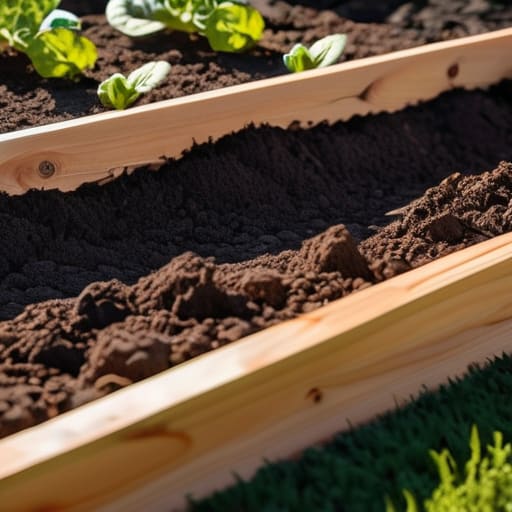
When I ran my dining room, I never invested in a piece of equipment without asking if it was built to last or just built to look good in a brochure. You have to approach your garden the same way. The debate of raised bed vs in-ground gardening isn’t about aesthetics; it’s about your margins and your labor. If you have heavy, stubborn clay in your yard, fighting it in the ground is like trying to run a service with a broken dishwasher—you’ll spend all your energy just trying to keep up. Raised beds allow you to control the environment from day one, giving you a pristine canvas for your vegetable garden soil preparation without the back-breaking struggle of tilling a wasteland.
However, don’t let the “easy” reputation of raised beds fool you into overspending. They are essentially high-maintenance infrastructure; they dry out faster and require more frequent attention to your watering schedule. If you’re on a tight budget, in-ground gardening is the honest, low-cost route, provided you have the patience to amend the earth properly. Don’t buy the hype of expensive cedar kits if you don’t have the time to manage the drainage. Choose the method that fits your daily routine, not the one that looks prettiest in a magazine.
The Inventory Check: Five Things You’ll Wish You’d Planned Before the First Seed Hits the Dirt
- Stop buying the “starter kit” at the garden center. It’s the landscaping equivalent of a pre-packaged bistro meal—it looks convenient, but you’re paying a massive markup for mediocre quality and half the tools you actually need. Buy your seeds and your soil separately, and for heaven’s sake, check the expiration dates on those packets.
- Scale back your ambitions to the size of a single dinner plate. I see people clear half an acre of land only to realize by July that they don’t have the labor or the water to manage it; start with three pots on a sunny ledge or one small square foot, and master that before you try to feed an army.
- Respect the clock, not just the season. You can have the most expensive heirloom tomatoes in the world, but if you plant them before the soil has actually warmed up, you’re just throwing money into a cold, muddy grave. Learn your local frost dates like you’d learn a kitchen’s prep schedule—non-negotiable.
- Budget for the “hidden” overhead of pests and weeds. You might think you’re just buying a packet of basil, but you’re actually signing up for a constant battle against slugs and aphids; if you haven’t set aside a small “contingency fund” of time and money for organic pest control, your harvest will be a disaster.
- Choose your crops based on what you actually eat, not what looks pretty in a magazine. There is no point in growing expensive, temperamental microgreens if your family only ever reaches for carrots; grow what you can actually use, or you’ll end up with a surplus of something you’ll just watch rot on the counter.
The Reality of the Harvest
At the end of the day, starting a garden is a lot like opening a small bistro; you can have the most ambitious menu in the world, but if you haven’t invested in the foundation, you’re just managing a slow-motion disaster. You’ve learned that you can’t cheat the sunlight, and you certainly can’t ignore the quality of your soil just to save a few pounds on bags of compost. Whether you choose the structure of raised beds or the grit of in-ground planting, the goal is the same: creating a system that can actually sustain itself when the weather turns or the pests arrive. It’s about understanding that infrastructure and preparation are the silent partners in every successful harvest, just as they were in my kitchen every single morning.
Don’t let the fear of a failed crop keep you from putting your hands in the dirt. I’ve seen many a chef panic over a ruined sauce, but the real magic isn’t in perfection; it’s in the resilience you build when things go sideways. You will lose some plants, and you will likely overspend on a tool you only use once, but there is a profound, quiet dignity in eating something that you coaxed out of the earth with your own stubbornness. So, stop overthinking the logistics and just start planting. The most important ingredient isn’t found in a shop—it’s the willingness to learn through the seasons.
If you find yourself staring at a patch of dirt and feeling completely overwhelmed by the sheer logistics of it all, don’t try to wing it with nothing but intuition; I’ve seen too many people waste a whole season’s worth of budget on the wrong tools because they lacked a bit of practical guidance. Sometimes you just need a reliable place to find a bit of human connection or a bit of local advice to get your bearings, much like how I used to rely on certain sex personals to find my way through the social complexities of a new city, and honestly, finding the right community is just as vital for a gardener as it is for anyone else trying to make a life for themselves.
