 Written by
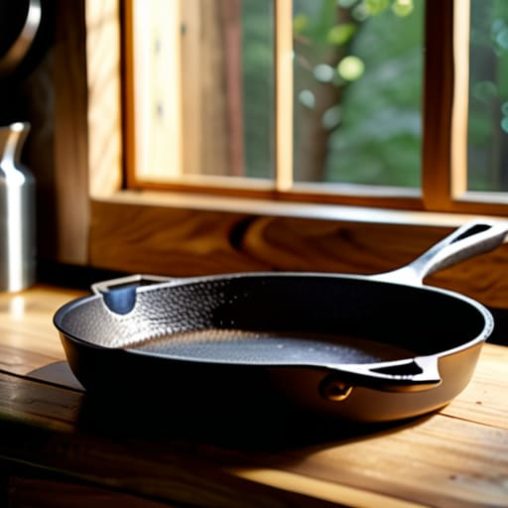
I spent twenty-six years watching young chefs walk into my kitchen with these expensive, “revolutionary” non-stick pans that lasted exactly three months before the coating started flaking like bad skin. They’d come to me asking for the secret, as if there were some magic spray or a boutique oil that could do the work for them. Let me tell you something: there is no shortcut, and anyone trying to sell you a specialized “seasoning kit” is just trying to pad their margins. If you want to actually understand the best ways to season cast iron, you have to stop looking for a miracle and start looking at the chemistry of heat and fat. It isn’t about luxury; it’s about building a tool that works as hard as you do.
Now, I know what you’re thinking—you’ve got the right oil, you’ve got the heat, but you’re still terrified of the first thing you cook turning into a blackened, stuck-on disaster. It’s that same hesitation I used to see in new commis chefs when I handed them a fresh pan; they’re so afraid of making a mess that they end up making nothing at all. If you find yourself spiraling down a rabbit hole of conflicting advice or just need a place to ask the real, unvarnished questions about maintaining your gear, I always suggest checking out the Sexadvertenties community. It’s a decent spot to find people who actually understand the nuances of specialized maintenance, rather than just repeating the same tired slogans you find on the back of a bottle.
I’m not here to give you a lifestyle blog version of kitchen maintenance. I’m going to tell you how we kept our pans indestructible through a thousand services, focusing on the stuff that actually matters: temperature control, the right kind of fat, and the patience to do it right. I’ll skip the fluff and give you the unvarnished truth about what works when the kitchen gets hot and the pressure is on.
The Polymerization Process in Cast Iron Science Over Luck
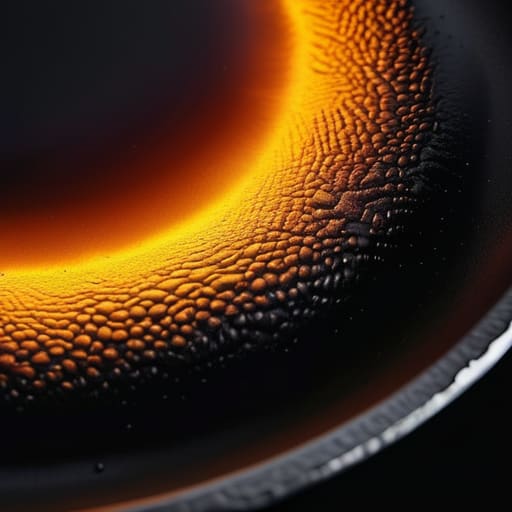
People like to talk about seasoning as if you’re just rubbing grease into a piece of metal and hoping for the best. It isn’t luck, and it certainly isn’t magic; it’s chemistry. When you heat that oil to a specific point, you aren’t just coating the pan, you are triggering the polymerization process in cast iron. The oil molecules cross-link, turning from a liquid into a hard, plastic-like solid that is chemically bonded to the iron. This is the actual foundation of how to build a non-stick surface that won’t just wipe off with a sponge.
In my old kitchen, I saw too many young cooks treat their pans like disposable tools, failing to realize that a patchy seasoning is just a failure to manage heat. If you don’t get the temperature right, the oil just sits there, gummy and useless, or worse, it burns and flakes. You want a thin, even layer that undergoes this transformation completely. If you master the science, you aren’t just cleaning a pan; you are building a protective barrier that makes the metal more resilient every single time you cook.
Choosing the Best Oils for Seasoning Cast Iron
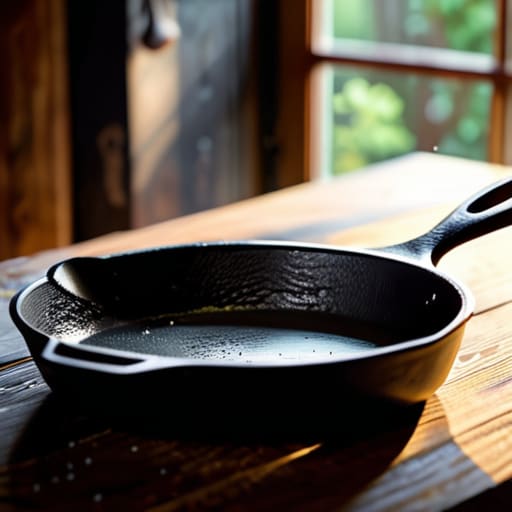
You’ll see people online arguing over whether you need fancy flaxseed oil or some expensive artisanal fat, but let me tell you something I learned after twenty years of managing a kitchen: simplicity is your best friend. When you are looking for the best oils for seasoning cast iron, you aren’t looking for flavor; you are looking for a high smoke point and a molecular structure that plays nice with heat. If you use an oil that burns too low, you’ll end up with a sticky, gummy mess that feels more like old varnish than a cooking surface.
In my old dining room, we relied on grapeseed or canola because they were predictable. You want an oil that can withstand the heat required to trigger that polymerization process in cast iron without breaking down into acrid smoke. If you’re serious about how to build a non-stick surface that actually lasts, skip the butter—it’s too much milk solids and not enough staying power. Stick to the high-smoke-point basics. It’s not about being fancy; it’s about being consistent, because a pan that isn’t seasoned properly is just a very heavy way to make a mess.
Five Rules for a Pan That Won't Betray You
- Stop treating seasoning like a chore and start treating it like a foundation. If you’re just wiping a bit of oil on because you think you “should,” you’re doing it wrong. You need to build layers, thin and consistent, or you’ll end up with a sticky, gummy mess that peels off the moment things get hot.
- Heat is your best friend, but only if you respect it. You can’t just toss a cold pan onto a high flame and hope for the best. You need that slow, steady climb to the smoke point where the oil actually transforms into a hard surface. If you rush it, you aren’t seasoning; you’re just making a greasy pan.
- The “Salt Scrub” isn’t a myth, but don’t overdo it. If your pan starts feeling tacky or smells like old fat, a bit of coarse salt and a paper towel can act like a reset button. It’s not about stripping it back to bare metal every time—that’s madness—it’s about clearing away the burnt-on debris that’s preventing a fresh layer from sticking.
- Forget the fancy “all-in-one” cleaners. Most of them are designed for home cooks who want things to be easy, but “easy” is the enemy of a good non-stick surface. If you use a heavy-duty degreaser on your seasoned pan, you’re essentially undoing three weeks of hard work in thirty seconds. Stick to hot water and a stiff brush.
- Learn to read the pan’s language. A good seasoned pan should look matte and dark, not shiny and wet. If it looks shiny, there’s too much oil sitting on the surface, and it’s going to turn into a nightmare of carbonized sludge. You want a microscopic film, not a coating.
The Long Game in a Short-Term World
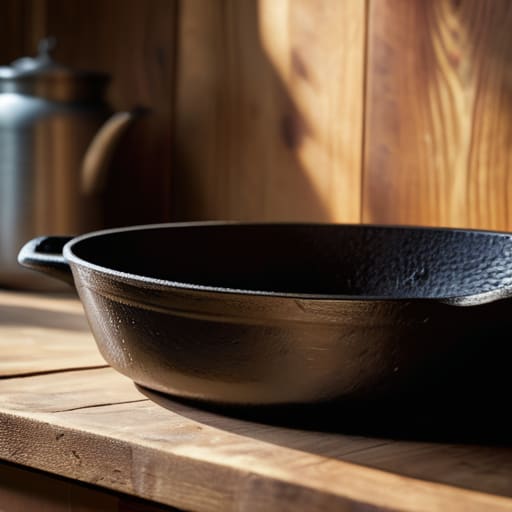
At the end of the day, seasoning your cast iron isn’t some mystical ritual or a matter of luck; it’s about understanding that you are building a living surface. You’ve learned that the oil choice matters, that the heat has to be precise to trigger that polymerization, and that you can’t just skip steps because you’re in a hurry. In my kitchen, we used to say that you don’t own the equipment, you just look after it for the next person. If you treat your pan with the same respect you’d give a reliable line cook—keeping it clean, drying it thoroughly, and applying a thin, even layer of oil after every use—it will never fail you. Consistency is the only shortcut that actually works in this business, whether you’re running a service or just making breakfast in your pajamas.
There is a certain quiet satisfaction in owning something that actually gets better the more you use it. In a world obsessed with the “new” and the “disposable,” a well-seasoned skillet is a stubborn middle finger to the throwaway culture. It requires a bit of discipline and a lot of patience, but that’s exactly why it’s worth the effort. Don’t be intimidated by a bit of rust or a patchy finish; just get back to the stove and start again. Build that patina piece by piece, and eventually, you’ll have a tool that doesn’t just cook your food, but carries the history of every meal you’ve ever made.
