 Written by
I spent twenty-six years watching people throw money at the wrong problems. I’ve seen collectors spend thousands on sleek, built-in climate cabinets that look lovely in a magazine but fail the moment a radiator kicks in, and I’ve seen well-meaning amateurs think a kitchen cupboard is a cellar. If you’re currently staring at a cramped apartment and wondering how to store and serve wine in a small home without turning your living room into a warehouse, stop listening to the lifestyle influencers. You don’t need a dedicated wine room or a temperature-controlled vault to enjoy a decent bottle; what you actually need is a grasp on thermal stability and a bit of spatial common sense.
I’m not here to sell you a gadget or a subscription to a wine club you don’t need. My goal is to give you the practical, hard-won truths about managing your bottles when you don’t have the luxury of a professional cellar. I will show you how to find the dead zones in your flat where a bottle can actually rest, and how to serve a glass properly when you’re working with limited glassware and even less counter space. This is about making the most of what you have, not pretending you’re running a Michelin-starred cellar from a studio apartment.
Apartment Wine Cellar Alternatives for the Unforgiving Floorplan
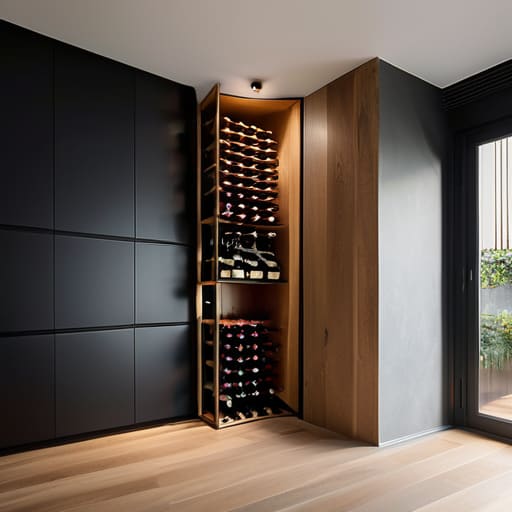
If you’re living in a flat where every square inch is a battleground, forget the dream of a walk-in cellar. You aren’t going to carve out a room for your vintages, and frankly, you don’t need to. Instead of hunting for floor space you don’t have, look up. Vertical wine rack solutions are your best friend here; I always told my floor staff that if the prep station was too crowded, we used the wall. A sturdy, floor-to-ceiling rack tucked into a corner or even a narrow hallway can hold a decent collection without making the room feel like a storage unit.
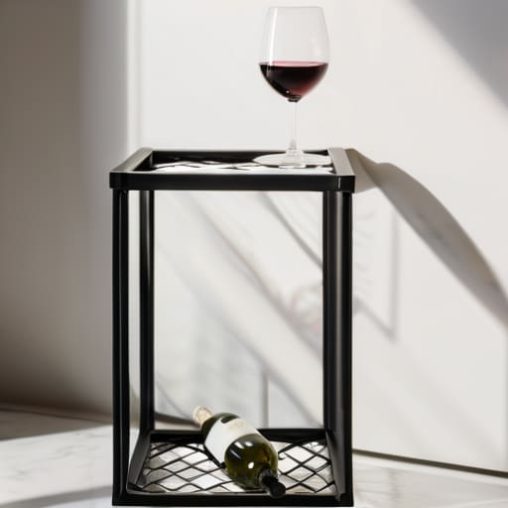
If walls aren’t an option, stop trying to force a massive cabinet into a nook. A minimalist wine bar setup—perhaps just a slim console table or a dedicated decorative shelf—is far more practical. You can keep your most prized bottles in a small, dedicated cooling unit that fits under a counter, which is a much better way to maintain the optimal wine temperature for small apartments than shoving bottles behind a stack of cookbooks. It’s about being intentional with what you own, rather than hoarding bottles you’ll never have the space to actually enjoy.
Vertical Wine Rack Solutions That Wont Crowd Your Life
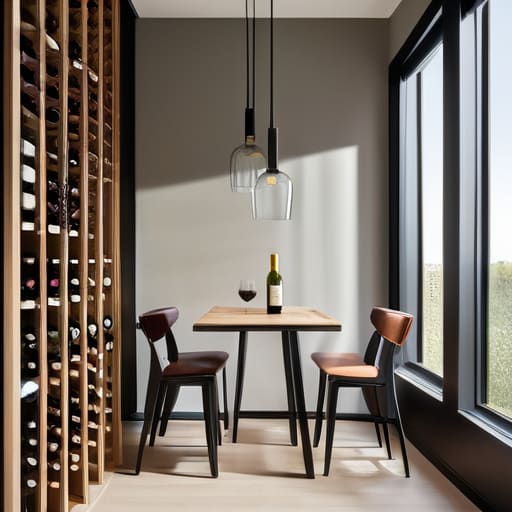
When you’re working with a floorplan that feels like a shoebox, you have to stop thinking about square footage and start thinking about air rights. In my old dining room, we didn’t have the luxury of sprawling cellar rooms, so we mastered the art of the wall. Vertical wine rack solutions aren’t just a way to look fancy; they are a tactical necessity. I’m talking about those slim, floor-to-ceiling metal tension poles or the wooden slats that screw directly into the studs. They keep your bottles off the precious real estate of your countertops and out of the way of your morning coffee, while ensuring your collection doesn’t become a cluttered heap in a corner.
The trick is to avoid the “statement piece” furniture that takes up more room than the wine itself. If you’re aiming for a minimalist wine bar setup, look for racks that tuck into the narrow gap between your fridge and the wall, or even the space above a doorway. It’s about utilizing the dead zones. Just remember: a rack is only as good as its stability. There is nothing more heartbreaking than seeing a decent Bordeaux tumble because someone bought a cheap, flimsy shelf just because it looked “chic” in a magazine.
The Practicalities of the Pour: Five Rules for the Space-Constrained Host
- Stop treating your kitchen cabinet like a cellar; a cupboard next to the oven is a death sentence for a decent bottle, so if you can’t find a cool corner, buy a single-bottle thermoelectric cooler—it’s cheaper than replacing a ruined vintage.
- Invest in a decent set of decent glassware rather than a dozen mismatched shapes, because in a small home, you don’t have the luxury of “special occasion” cupboards, and you need one reliable glass that makes the wine sing without cluttering your drying rack.
- Learn the art of the temperature hack; if you haven’t the room for a dedicated wine fridge, a bucket of ice and a handful of rock salt will chill a white or a sparkling in fifteen minutes, saving you from the embarrassment of serving a lukewarm bottle because you ran out of fridge space.
- Keep your service tools in one compact kit—corkscrew, foil cutter, and a clean linen cloth—rather than letting them drift around the house, because nothing kills the momentum of a dinner like hunting for a knife under a pile of mail.
- Don’t be afraid to use your dining table as your cellar for the evening; if you’re hosting, bring the bottles out in a small, insulated basket to keep them stable and out of the way, rather than tripping over them in a cramped kitchen.
The Bottom Line on Small-Scale Cellaring
Forget the idea that you need a dedicated, temperature-controlled room to respect your bottles; if you can’t afford a cellar, focus on finding one single, dark corner away from the radiator and the sunlight, because stability matters more than square footage.
Don’t go overboard with decorative racks that take up precious floor space; if you’re tight on room, go vertical or use the dead space above your fridge, but make sure you can actually reach what you’re storing without needing a ladder every time you want a glass.
Remember that your wine is an investment in your evening, so don’t skimp on the basics—if you’re storing wine in a small apartment, the biggest mistake you can make is letting it sit next to your dishwasher or oven, where the heat fluctuations will ruin a perfectly good vintage before you’ve even pulled the cork.
The Myth of the Perfect Cellar
You don’t need a limestone cavern in the basement to respect a good vintage; you just need to stop treating your wine like a collection of trophies and start treating it like a living thing that hates a radiator and a sunny windowsill. If you can’t afford a cellar, find a corner that doesn’t move, keep the temperature steady, and stop worrying about the aesthetics of the rack—the wine doesn’t care if it looks pretty on your wall, it only cares that it isn’t sweating.
Rosalind Achterberg
The Bottom Line
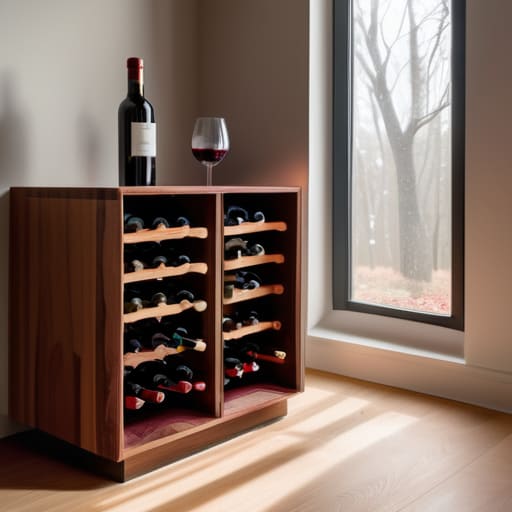
At the end of the day, whether you’ve opted for a slim vertical rack tucked into a corner or a temperature-controlled cabinet that doubles as a side table, the goal remains the same: stability. You don’t need a limestone cave or a sprawling basement to respect what’s in the bottle; you just need to avoid the twin sins of erratic temperature swings and excessive vibration. If you can manage your space with a bit of intention—keeping your bottles out of the direct sunlight of a south-facing window and away from the heat of the oven—you’ve already done more than most people I saw in my own dining room. It isn’t about having a massive collection; it’s about protecting the few bottles you actually care about.
I spent thirty-eight years watching people treat wine as a status symbol rather than a living thing, but I know the real joy is much simpler than that. It’s about the ritual of pulling a cork after a long Tuesday, knowing that the wine is behaving exactly as it should. Don’t let a lack of square footage convince you that you can’t enjoy a decent vintage. A small home shouldn’t mean a small life, and it certainly shouldn’t mean compromised glass. Buy what you love, store it with a bit of common sense, and then sit down and drink it.
Frequently Asked Questions
If I don't have the room for a dedicated wine fridge, is it actually safe to just keep my bottles in a kitchen cupboard, or am I asking for a disaster?
Look, if you’re just keeping a few bottles of supermarket Pinot for Tuesday night, a cupboard is fine. But if you’re tucking away something special, a kitchen cupboard is a death sentence. Between the steam from the pasta water and the oven’s heat, you’re essentially cooking the wine. It’s not just about the temperature; it’s the fluctuation. One day it’s fine, the next the seal has failed. Don’t risk it.
How much of a difference does it really make to serve wine at the "correct" temperature when I’m just eating dinner at my own small table?
Look, if you’re drinking a cheap supermarket Pinot to wash down a frozen pizza, do what you like. But if you’ve spent the money on something decent, serving it wrong is just throwing cash down the drain. A warm white tastes like cheap booze and acid; a fridge-cold red tastes like nothing at all. It’s not about being precious—it’s about not masking the very thing you actually paid for.
Is it worth investing in decent glassware for a tiny apartment, or am I better off sticking to a few versatile pieces that don't take up half my cupboard?
Listen, I’ve seen too many young restaurateurs buy a massive inventory of specialty stems only to realize they can’t afford the breakage or the storage. In a tiny kitchen, space is your most expensive ingredient. Don’t clutter your life with a glass for every single grape variety. Buy three or four high-quality, versatile universal glasses. A decent, well-shaped glass does the job well; a dozen mediocre ones just make your cupboard a graveyard of clutter.
