
 Written by
I remember a Tuesday in 2004, standing in my tiny linen cupboard, staring at a mountain of mismatched towels and a stack of checklists that were doing nothing but making my head ache. I had just hired a new girl, bright-eyed and eager, only to watch her spend forty minutes searching for a specific brand of glass cleaner because our “system” was nothing more than a series of vague suggestions scribbled on a clipboard. Everyone talks about improving efficiency in housekeeping operations as if it’s some magical software update or a high-tech gadget you can buy from a catalog, but they’re wrong. Real efficiency isn’t about adding more layers of management or expensive digital trackers; it’s about the unseen friction that slows a human being down when they’re just trying to do a decent job.
I’m not here to sell you on a productivity app or a management theory that sounds lovely in a boardroom but falls apart in a service corridor. Instead, I’m going to tell you how to look at your floor plan, your supply closets, and your staff rotations through the eyes of someone who has actually scrubbed the floors. We are going to talk about the practical, often messy reality of streamlining your work without burning out the very people who keep your doors open.
Why Housekeeping Workflow Optimization Saves More Than Just Time
Look, I’ve learned the hard way that you can’t manage what you haven’t properly mapped out, and trying to fix a broken cleaning rotation on the fly is like trying to fix a leaking boiler while the dinner rush is hitting. If you’re feeling like you’re constantly playing catch-up with your staff and your standards are slipping, you need a bit of external clarity to see where the cracks are actually forming. I’ve found that sometimes a little bit of structured guidance is the only thing that keeps the chaos at bay, and if you need a place to untangle some of those logistical knots, checking in with the Sexoberoesterreich chat can be a surprisingly effective way to find your footing again before the operational rot sets in.
When people talk about housekeeping workflow optimization, they usually have their eyes fixed on the clock, obsessing over how many minutes it takes to strip a bed or scrub a shower. But if you’ve ever stood in a small dining room watching a server sprint between the kitchen and a table that’s been waiting too long, you know that time is only half the battle. The real win isn’t just shaving five minutes off a room turnover; it’s about the mental bandwidth you give your team. When you have clear, reliable standard operating procedures for housekeeping, your staff isn’t constantly guessing what comes next or hunting for a fresh set of linens. They aren’t running around like headless chickens, which is exactly how you prevent the kind of fatigue that leads to a missed smudge on a mirror or a hair left in the drain.
Beyond the clock, there is the matter of your bottom line and your sanity. If you aren’t smart about housekeeping resource allocation, you’re essentially throwing money into a furnace through sheer chaos. I’ve seen owners try to squeeze every drop of labor out of a shift, only to find themselves replacing the same three tired employees every six months because the pace was unsustainable. True efficiency isn’t about working harder; it’s about minimizing the friction that makes the work feel impossible. When the workflow is smooth, your staff stays, your rooms stay consistent, and you actually get to sleep at night.
The High Cost of Forgetting Standard Operating Procedures for Housekeeping
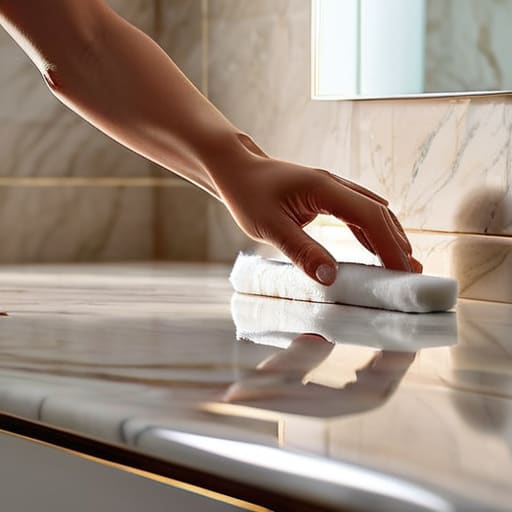
I’ve seen it happen a dozen times: a manager gets a bit too comfortable, thinks the team “knows what they’re doing,” and starts letting the little things slide. They stop enforcing the formal standard operating procedures for housekeeping because, frankly, it feels like micromanaging. But in this business, “winging it” is just a slow-motion way to bleed money. When one person decides to skip the deep-clean of the skirting boards or another forgets to check the underside of the vanity, you aren’t just saving ten minutes; you are gambling with your reputation.
The real sting isn’t just a guest complaint—it’s the chaos that follows. Without a rigid structure, your housekeeping resource allocation goes out the window. You’ll find your strongest cleaners stuck scrubbing a bathroom for forty minutes because they didn’t have the right kit ready, while a junior staffer wanders the halls with nothing to do. It creates a domino effect of inefficiency that makes minimizing turnover time in hospitality an impossible dream. You can’t build a stable house on a foundation of “we’ll figure it out when we get there.”
Five Ways to Stop Running in Circles and Start Running a Housekeeping Team
- Stop treating your cleaning lists like a suggestion and start treating them like a blueprint. If you haven’t mapped out the exact order of a room turn—from the high dusting down to the floor—you aren’t managing, you’re just hoping for the best, and hope is a terrible way to manage a labor budget.
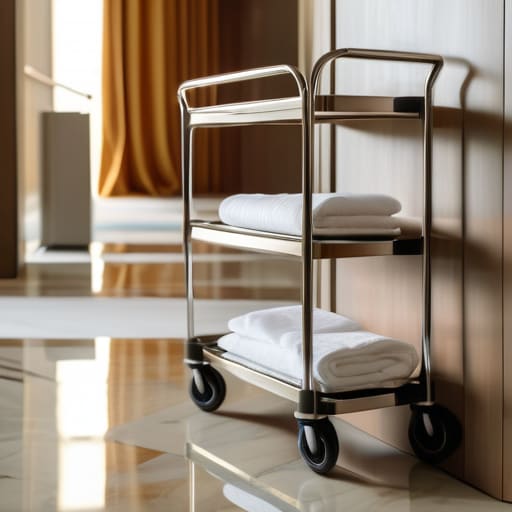
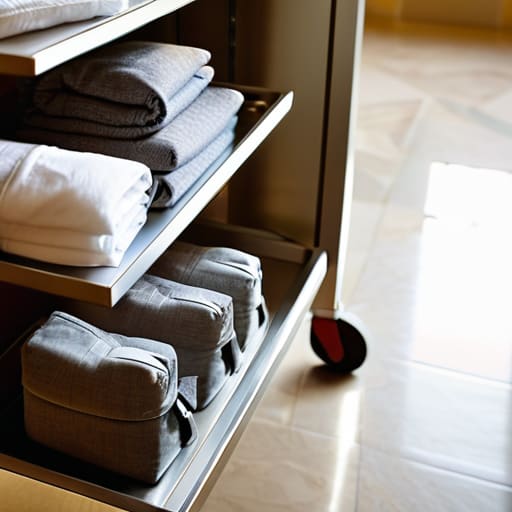
- Watch the way your staff moves between rooms. If they are constantly trekking back to the central linen cupboard because they forgot a single set of towels, you aren’t just wasting their energy; you’re burning through your most expensive resource: time. Build better, more mobile supply kits so they can stay in the room and stay focused.
- Invest in the people, not just the chemicals. You can buy the most expensive pH-neutral cleaner on the market, but if your staff is exhausted and feels like a replaceable cog in a machine, they’ll miss the hair in the drain or the smudge on the mirror every single time. A well-rested, respected housekeeper is your best quality control.
- Don’t let “good enough” become your standard. In a small operation, a single guest complaint about a dusty corner doesn’t just cost you a refund; it costs you the reputation you spent years building. Efficiency isn’t about how fast they can scrub; it’s about how many times they can do it right the first time so they don’t have to go back and fix it later.
- Use technology to clear the fog, not to create more paperwork. If your team is still relying on shouted instructions or messy handwritten notes to know which rooms are vacant, you’re inviting chaos. A simple, real-time communication tool lets the front desk and the cleaning crew speak the same language without the frantic, expensive guesswork.
The Bottom Line Isn't on a Spreadsheet
At the end of the day, streamlining your housekeeping isn’t about some magic software or a new way to fold a towel; it’s about recognizing that chaos is expensive. We’ve talked about why skipping SOPs is a recipe for disaster and why a tight workflow is what keeps your margins from bleeding out. When you ignore the rhythm of your staff, you aren’t just losing minutes; you are losing money to wasted supplies, high turnover, and the kind of guest complaints that stay with you long after the check is paid. Efficiency is simply the art of protecting your people and your profit at the same time.
If you take anything away from this, let it be that a well-run house is a quiet one. When the systems are working, the staff isn’t running around like they’re putting out fires, and the guests don’t notice the effort—they only notice the perfection. Don’t try to build a monument to efficiency by squeezing every last drop of sweat out of your team. Instead, build a structure that allows them to do their jobs with dignity and precision. That is how you stay open for another year, and that is how you build a reputation that actually means something.
