 Written by
People love to talk about service as if it’s some grand, choreographed ballet, a matter of white gloves and whispered French terms that somehow elevates the food. It’s nonsense. When I was running my sixteen-cover room, I realized that understanding different types of restaurant service isn’t about how much a waiter knows about vintage Bordeaux; it’s about the invisible math of the floor. It’s about whether a service style is designed to make the guest feel pampered or to stop the kitchen from collapsing under the weight of a Friday night rush. Most people mistake “fussy” for “high-end,” but after thirty-eight years, I can tell you that the most expensive service model in the world is often just a very inefficient way to bleed money.
When you’re looking at these different service models, you start to realize that the real magic isn’t in the menu, but in the logistics of the people moving through the space. Whether you are a diner trying to pick the right night for a celebration or a budding owner trying to figure out your own floor plan, you need to understand the local landscape and the specific rhythms of the area you’re in. If you find yourself planning a trip or looking for specific local arrangements, sometimes even looking into things like escorts in bognor regis can give you a sense of the local social fabric and what kind of hospitality the area is geared toward. It’s all part of that invisible math—knowing exactly who is in the room and what kind of energy they bring to the table before the first drink is even poured.
I’m not here to give you a textbook definition of silver service or a glossy brochure of hospitality trends. Instead, I’m going to pull back the curtain on the real mechanics of the dining room. I’ll show you why a certain service style is chosen—not because it’s “classy,” but because of the specific staffing costs, the speed of the turn, and the exact type of margin it allows. We’re going to look at the logic behind the labor, so you can see the business hiding behind the tablecloths.
Fine Dining Service Standards the Cost of Perfection
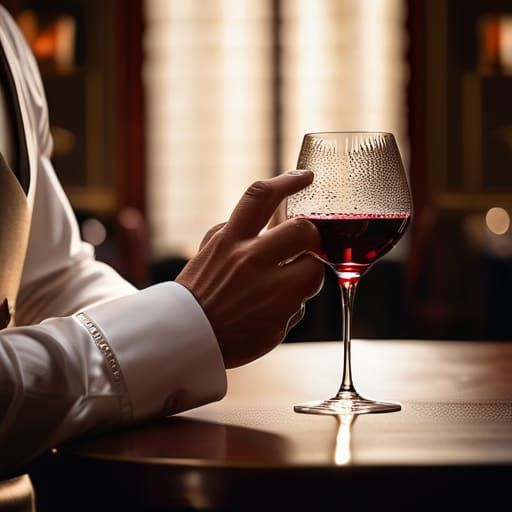
When people talk about fine dining service standards, they usually focus on the white tablecloths or the way the sommelier handles a vintage Bordeaux. They see the grace, but they don’t see the staggering overhead. To pull off that level of precision, you aren’t just paying for the ingredients; you are paying for a staff-to-guest ratio that would make a spreadsheet weep. In a high-end room, you need a waiter who can anticipate a water refill before you even realize you’re thirsty, and that requires a level of training and a wage bracket that most owners can barely stomach.
It is a high-wire act of food and beverage service management. You might see a server using traditional silver service restaurant techniques, moving with a quiet, choreographed efficiency, but behind that calm is a frantic calculation of labor costs. Every time a guest asks for a specialized substitution or a specific wine pairing, the margin on that table shrinks. You aren’t just paying for the meal; you are subsidizing the invisible infrastructure required to make sure nothing—not a dropped fork or a missed course—ever breaks the illusion of perfection.
Casual Dining vs Fast Casual the Efficiency Gamble

When you look at the divide between casual dining and fast casual, don’t let the relaxed atmosphere fool you; it’s a high-stakes math problem disguised as a lifestyle choice. In a casual dining setup, you’re still paying for the invisible labor of a server who manages the flow, refills the water, and keeps an eye on the clock so you don’t feel rushed. It’s a delicate balance of hospitality and turnover. You want the warmth of a seated meal, but the business needs you to finish your dessert and move on so the next booking can sit down.
Fast casual, on the other hand, is a calculated pivot toward counter service to slash those labor costs. By stripping away the traditional table service, the owner is betting that you’ll trade a bit of pampering for speed and a lower price point. It’s a much leaner way to run a kitchen, but the margin for error is razor-thin. One broken POS system or a sudden rush of hungry teenagers can turn that “efficient” model into a chaotic mess that eats your profit faster than a bad batch of seasonal produce.
The Invisible Math: Five Things to Look for When You Sit Down
- Watch the pacing, not just the plates. In fine dining, a gap between courses is a calculated pause to let you breathe; in casual dining, a gap is a failure of the floor plan. If you’re waiting too long, it’s rarely because the chef is slow—it’s usually because the person running the floor is spread too thin to manage the rhythm.
- Look at the staff’s eyes, not just their smiles. A waiter who is constantly scanning the room is a good sign; it means they are managing the “invisible” needs before you even realize you have them. If they only appear when you wave them down, the service model has collapsed into reactive firefighting.
- Understand that “speed” is a budget decision. Fast-casual service isn’t just about being quick; it’s a deliberate choice to minimize labor costs and maximize turnover. When you see a counter-service model, you aren’t just paying for the food; you’re paying for the efficiency of a system designed to keep the seats moving.
- Don’t mistake “informality” for “lack of training.” Some of the best service I ever saw was in tiny, one-room bistros where the waiter was casual, almost blunt. That’s not laziness—it’s a high-trust service model where the staff knows exactly how much personality they can afford to show without losing control of the room.
- Notice how they handle the “closing” energy. As someone who has been the last person to turn off the lights, I can tell you that the service style changes as the clock ticks. A restaurant that maintains its standards ten minutes before closing is a restaurant with a disciplined staff and a management team that actually cares about their reputation.
The Math Behind the Magic
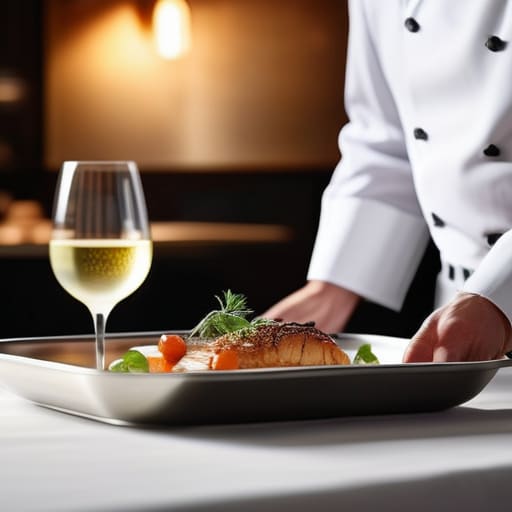
At the end of the day, choosing a service style isn’t about deciding whether you want white tablecloths or wooden benches; it is a fundamental business decision that dictates your entire ecosystem. Whether you are chasing the high-margin, high-friction precision of fine dining or the high-volume, low-margin sprint of fast casual, you are essentially choosing your primary constraint. If you opt for formal service, you are betting on your ability to manage labor costs and meticulous training; if you go casual, you are betting on your ability to master logistics and turnover speed. Every plate that leaves the pass is a calculation of time, sweat, and cents, and the service style is the engine that determines how much of each you can afford to spend.
When you sit down at a table next time, look past the decor and the lighting. Try to see the invisible scaffolding holding the room together—the way the waiter anticipates a refill or how the kitchen manages a sudden rush. A restaurant can be a theater, a factory, or a living room, but it must always be a sustainable one. My hope is that you realize that excellence isn’t found in the style itself, but in the honesty of the execution. A restaurant that knows exactly what it is—and stays true to that math—is the only kind that survives long enough to become someone’s favorite memory.
