
 Written by
I sat at a corner table last Tuesday, nursing a glass of decent Malbec, watching a young man spend twenty minutes trying to photograph his risotto from four different angles before he even picked up a spoon. He eventually posted a one-star rant because the lighting was “uninspiring,” completely ignoring the fact that the kitchen was down two prep cooks and the waiter was performing a miracle just to keep the water glasses full. Most people think they’re being helpful when they post these vague, emotional outbursts, but they haven’t a clue how to leave a useful review that actually helps a business survive. A review shouldn’t be a temper tantrum or a hollow cheer; it should be a map for the person reading it.
I’m not here to teach you how to manipulate an algorithm or win a popularity contest. I want to show you how to write with the precision of a line cook and the fairness of a regular. I’ll tell you why describing the texture of a sauce matters more than a generic “tasty,” and why noting the timing of your service is the most valuable gift you can give an owner. We’re going to move past the fluff and learn how to provide the kind of feedback that actually keeps the lights on.
Beyond the Star Rating the Human Cost of Feedback

When you tap a single star on a screen because your steak was a minute too late, you aren’t just rating a piece of meat; you are potentially affecting someone’s livelihood. I’ve sat in my old dining room at 11:00 PM, staring at a spreadsheet, knowing that one bad week of digital feedback could be the difference between keeping my head chef on the rota or letting him go. Most people think a rating is a vacuum, but the impact of honest reviews on businesses is visceral. It’s the difference between a kitchen that can afford to fix a broken walk-in fridge and one that has to start cutting corners on the produce just to keep the lights on.
If you want to actually help, move past the binary of “good” or “bad.” Writing constructive feedback requires a bit of nuance. Instead of saying “the service was slow,” tell me if the floor staff looked overwhelmed or if the kitchen simply didn’t have the hands to execute the menu. That distinction is everything. It allows an owner to see if they have a training problem or a staffing problem, rather than just a “bad reputation” problem.
Avoiding Bias in Online Reviews to Protect the Trade

We’ve all been there: you’re having a bad day, the soup is lukewarm, and suddenly every minor inconvenience feels like a personal affront. You grab your phone and vent. But there is a massive difference between expressing a grievance and writing constructive feedback that actually helps a business survive. When you let a single bad mood dictate a one-star rating, you aren’t just critiquing a meal; you’re potentially skewing the data that a small owner uses to make payroll or adjust their supplier orders.
The trick to avoiding bias in online reviews is to separate your personal temperament from the actual service delivered. Did the waiter forget your drink because they were lazy, or because the kitchen was suddenly slammed with a party of twelve? If you can’t tell the difference, don’t make it a permanent part of their digital footprint. A high-quality review looks at the context of the evening. I’d much rather read a note about a slow Tuesday than a screaming match about a Friday night rush that no amount of staffing could have fixed.
The Anatomy of a Review That Actually Matters
- Stop obsessing over the salt and start looking at the flow. Did the waiter vanish when the room got loud, or were they moving with purpose? A review that tells me whether the pacing felt rushed or neglected helps a manager know if they need to hire another runner or just fix their kitchen’s ticket timing.
- Name the specific dish, but more importantly, name the context. Don’t just say “the sea bass was lovely”; tell me if it arrived at the same time as your partner’s steak. For a small kitchen, knowing if they’re struggling with synchronized service is a thousand times more valuable than a generic compliment.
- If you’re complaining about a price, tell me what you were expecting for that money. “Expensive” is a useless word. “The portion size didn’t match the £35 price tag” is a data point. It helps an owner decide if they need to adjust their margins or if they’ve simply misjudged their customer base.
- Respect the “invisible” service. If your water glass was never empty and you never had to flag someone down, say that. In this industry, we often mistake seamless service for “nothing happening,” but a waiter who is there exactly when you need them—and gone when you don’t—is the gold standard.
- Be honest about the “why” behind the bad night. Was it a Tuesday at 9:00 PM when the staff was exhausted, or was it a Saturday peak when the house was overbooked? Distinguishing between a systemic failure and a one-off bad shift is the difference between a helpful critique and a death blow to a small business.
The Essentials of a Review That Actually Matters
Stop obsessing over the stars; tell me about the friction—was the service slow because they were short-staffed, or because the floor manager was hovering too close to the pass?
Focus on the “why” behind the experience, whether it’s the logic of a limited menu or the way a kitchen handles a sudden rush, rather than just saying the food was “tasty.”
Write with the understanding that your words land on a business, not a vacuum; aim to be the person who helps a chef fix a problem rather than the one who just adds to the noise.
The Difference Between a Complaint and a Clue
Stop telling me the steak was ‘too salty’ like it’s a moral failing; tell me if the kitchen was running three orders behind and the chef was plating in a panic. I don’t need your adjectives, I need your observations—because a star rating tells me you were unhappy, but a specific detail tells me whether the business is broken or just having a bad Tuesday.
Rosalind Achterberg
The Last Word from the Pass
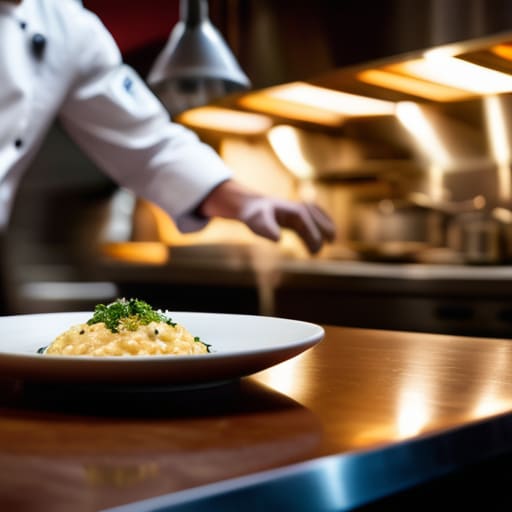
At the end of the day, a useful review isn’t about whether you liked the salt level in the risotto or if the lighting felt a bit too dim for your liking. It’s about providing the context that helps a business survive or pivot. When you move past the lazy one-star tantrums and the empty five-star praise, you start to see the actual mechanics of the room. You tell us if the pacing was rushed because the kitchen was understaffed, or if the service was seamless because the floor manager was doing the heavy lifting. By being specific about the “why” behind your experience, you stop being just another consumer and start becoming a valuable witness to the hard work happening behind the swinging doors.
I spent twenty-six years making sure my sixteen covers felt like the only people in the world, often at the expense of my own sleep and sanity. I didn’t do it for the accolades; I did it because I cared about the craft. When you sit down to write your next review, remember that there is a person—likely tired, likely stressed, but likely very proud—reading it on the other side of the screen. Write with the intention to build something up or to help a struggling shop find its footing. If we all treated dining out as a shared responsibility rather than a transaction, the industry would be a much kinder, much more honest place to be.
Frequently Asked Questions
If I had a genuinely terrible experience, how do I voice my frustration without being the person who unnecessarily sinks a small business?
If you’ve had a disaster, talk to the manager first. Not to demand a free meal, but to give them the chance to fix it before the sun goes down. If you must write it online, be surgical. Don’t call the staff “incompetent”—tell me the kitchen was understaffed or the ticket times were forty minutes too long. Precision helps a business pivot; vague vitriol just helps them go under.
What specific details actually help a manager fix a problem, versus what just sounds like venting to a stranger?
If you tell me “the service was bad,” I can’t do a thing with that but shrug. It’s noise. If you tell me “the waiter forgot our drinks for twenty minutes because the floor was short-staffed,” now we’re talking. Specifics—the timing, the specific dish that was cold, the exact moment the rhythm broke—give a manager a lever to pull. Venting is an emotional release; a useful review is a diagnostic tool.
Is it worth mentioning the price of the meal in a review, or does that just make me sound petty?
Mentioning price isn’t petty; it’s essential context. If you say a sea bass was “expensive,” I don’t know if you mean it was overpriced or if you just had a different budget. Tell me if the portion justified the cost, or if the wine list felt like a trap. A restaurant is a business of margins, and knowing whether the value matched the execution helps others decide if they’re paying for talent or just for the decor.
