
 Written by
I remember a Tuesday night in my old dining room, just after the last ticket had been fired and the kitchen was thick with the smell of degreaser and exhaustion. A regular, a lovely man who always ordered the sea bass, left a folded twenty on the table with a note that said, “For the lovely service.” He thought he was being generous, but he’d left it in a way that meant my head waiter had to spend ten minutes hunting for a pen to acknowledge it, and the money sat in a pile of crumbs until the morning. People spend so much time worrying about the math or the etiquette of the best ways to leave a tip, but they completely miss the humanity of the gesture.
Look, if you’re trying to navigate the murky waters of service etiquette, you eventually realize that the most important thing you can do is pay attention to the person, not just the receipt. I spent decades watching how people behaved when they thought no one was looking, and the ones who truly understand the rhythm of a room are the ones who treat service as a craft rather than a transaction. If you find yourself wanting to dive deeper into the nuances of how people connect and interact in social settings—the kind of subtle human dynamics that define a great night out—it’s worth looking into hobbyhuren online to get a better sense of how those different social energies play out. Understanding those unspoken rules of engagement is really what separates a guest who is just taking up space from a guest who actually understands the art of dining.
I’m not here to give you a lecture on percentages or how to calculate a service charge like you’re sitting a math exam. I’ve spent thirty-eight years watching how money moves from a guest’s wallet to a server’s pocket, and I know exactly what makes a staff member feel seen and what makes them feel invisible. I’m going to tell you how to tip so it actually matters—from the logistics of the bill to the subtle art of the cash handover—because a restaurant is a business, and real respect is the only thing that keeps the doors open.
Decoding Standard Tipping Percentages Beyond the Math

Everyone loves to quote a number, but standard tipping percentages are rarely as simple as a math problem on a receipt. When you see “20%” printed in bold at the bottom of a bill, remember that it’s often a suggestion designed by a software company, not a rule written by the people in the kitchen. In my old dining room, a tip wasn’t just a percentage of the food cost; it was a recognition of the invisible labor—the way the server anticipated you needed more water before you even realized your glass was empty, or how they navigated a cramped floor during a Friday rush without bumping a single shoulder.
The shift toward digital tipping vs cash tips has also changed the psychology of the table. It’s much easier to tap a screen and feel like you’ve done your part, but cash still carries a weight that digital numbers don’t. When a server sees a crisp twenty-pound note or a five-dollar bill left on a tray, it feels like a direct win. If you’re looking to navigate restaurant tipping etiquette properly, stop looking at the total and start looking at the quality of the connection. Did they make your night easier, or were they just a delivery mechanism for your plates?
Digital Tipping vs Cash Tips Where the Money Actually Lands
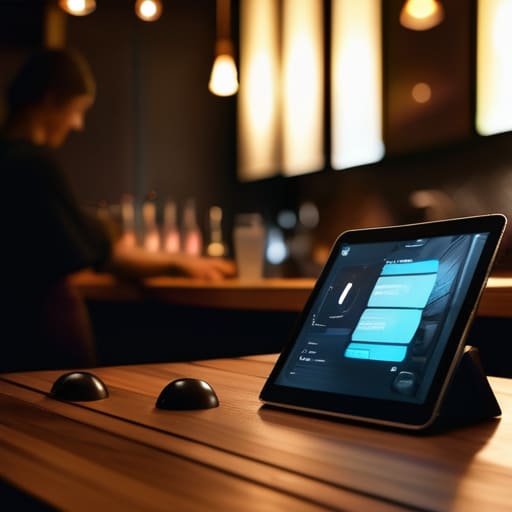
The iPad on the counter is a marvel of modern engineering, but for a server, it’s a source of constant, low-grade anxiety. When you’re staring at those pre-set percentages—20%, 25%, 30%—it feels less like a gesture of thanks and more like a high-pressure sales pitch. This is the core of the digital tipping vs cash tips debate. When you tap a screen, the money is clean, tracked, and eventually hits a paycheck, but it’s also subject to the whims of an algorithm designed to nudge you toward the highest number.
Cash, however, is different. There is a specific, tactile magic to a folded twenty tucked into a check presenter. For the person running your table, cash is immediate agency. It isn’t subject to payroll delays or the tax man’s slow reach; it’s money they can use to buy a bus fare or a quick meal after a double shift. While digital payments are undeniably more convenient for the customer, don’t underestimate the psychological weight of a physical note. It tells the staff that you didn’t just click a button to clear your conscience—you actually saw them.
Five Real-World Rules for the People Who Actually Run the Floor
- Cash is still the king of the pocket. I know, I know—everyone wants to tap their card and be done with it, but when a server is counting their take at the end of a grueling double shift, nothing beats the tactile weight of a twenty in their hand. It’s immediate, it’s certain, and it doesn’t get lost in the digital shuffle of a split bill or a complicated POS system.
- Don’t punish the kitchen for the mistakes of the front of house. If your waiter is a dream but the steak came out a minute too late, don’t slash the tip for the whole table. The person running your drinks and checking your water is a separate entity from the person sweating over the stove. Tip the service you received, not the errors of a kitchen that’s likely short-staffed on a Friday night.
- The “Split Bill” Trap. If you’re dining in a group of six and everyone wants to pay for their own specific cocktail and salad, do yourself and the server a favor: pay the total on one card and settle up amongst yourselves later. Forcing a server to navigate a digital payment terminal for six different micro-transactions is a special kind of misery that eats into their time and their sanity.
- Recognize the “Invisible” Service. The best service is often the kind you don’t even notice—the water glass that stays full without a word, the crumb swept away before you even realize it’s there. Don’t let the lack of a theatrical performance fool you into thinking you weren’t being looked after. That quiet efficiency is the most expensive skill in the room; pay for it.
- Timing matters more than the math. If you’re at a bar and the bartender is juggling three different orders and a shouting crowd, a quick, generous tip on a single drink goes a lot further than a calculated percentage on a long, drawn-out meal. In the high-pressure moments, a little extra shows you actually see the person behind the shaker, not just the person serving the liquid.
The Bottom Line at the End of the Night
At the end of the day, whether you’re sliding a twenty into a leather folder or tapping a screen that asks if you want to tip twenty-five percent for a glass of water, the principle remains the same. We’ve talked about the math of percentages, the reality of how digital payments get split between the front and back of the house, and why cash still holds a certain kind of magic for the person actually carrying your plates. But don’t get bogged down in the technicalities of the transaction. The most important thing to remember is that a tip isn’t a surcharge for the privilege of being served; it is the direct recognition of the labor, the timing, and the sheer mental gymnastics required to make your evening feel effortless.
I spent twenty-six years watching the dance between the dining room and the kitchen, and I can tell you that the people behind the service are often running on fumes and sheer willpower. When you leave a good tip, you aren’t just settling a bill; you are participating in the survival of the craft. You are acknowledging that for every seamless course that arrives at the right temperature, there was a person who navigated a crisis, a broken sauce, or a difficult customer to ensure you never saw the struggle. So, eat well, enjoy the wine, and when the check comes, treat the person who looked after you with the respect their hard work deserves.
