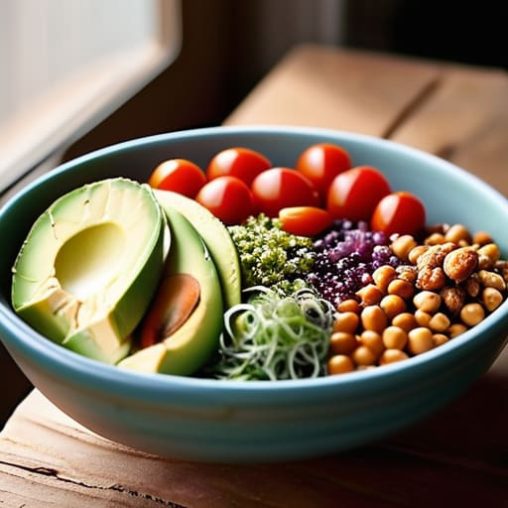
 Written by
 I spent twenty-six years watching people throw money at “premium” lunch salads that were nothing more than wilted arugula and overpriced croutons, all while they sat hunched over a glowing screen. There is a massive, expensive lie being sold to you that knowing how to eat well at lunch on a workday requires a subscription to a meal-prep service or a forty-minute trek to a boutique deli. Most of those “healthy” options are just marketing dressed up in a compostable bowl, designed to drain your bank account while leaving you feeling utterly hollow by 3:00 PM.
I’m not here to give you a list of trendy superfoods or tell you to spend your entire Sunday in a state of culinary martyrdom. Instead, I’m going to tell you how to approach your midday meal with the practical eye of someone who used to balance a tight food cost against a ticking clock. We are going to talk about real efficiency—how to find flavor and actual sustenance without the performative nonsense, ensuring your lunch is a genuine reprieve rather than just another task on your to-do list.
Why Balanced Workday Nutrition Is Your Only Real Asset

When I ran my dining room, I watched the same pattern play out every single day: the local office crowd would trickle in at 1:00 PM, looking like they were heading into a battle. Most of them were fueled by nothing but black coffee and a frantic, sugar-laden pastry from the corner shop. They thought they were saving time, but they were actually just borrowing energy from their afternoon at a predatory interest rate. By 3:00 PM, they weren’t working; they were merely surviving the slump.
You have to stop viewing food as a mere distraction from your tasks and start seeing it as your primary fuel source. If you aren’t investing in some form of nutritious midday meal planning, you are essentially running a high-end kitchen on a broken stove. Whether you’re relying on simple meal prep for office workers or just finding better ways to assemble a bowl, the goal is stability. You want a slow burn, not a spike and a crash. In this business, and in yours, your focus is your only real currency—don’t spend it all on a cheap sandwich that leaves you hollow by tea time.
The High Cost of Skipping Nutritious Midday Meal Planning
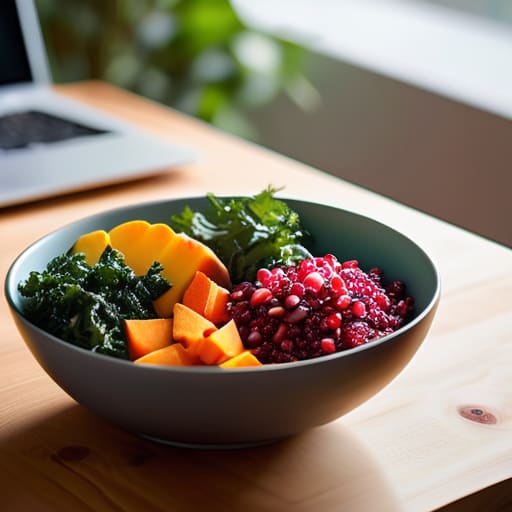
I spent twenty-six years watching people make the same mistake from the other side of the pass. I’ve seen the mid-afternoon slump hit a dining room like a physical weight, and it usually starts with what those people ate at 1:00 PM. When you skip a proper meal or grab a bag of salt-heavy crisps because you’re “too busy,” you aren’t saving time; you are taking out a high-interest loan on your own brainpower. You’ll pay it back by 3:00 PM with a fog so thick you can’t focus on a simple spreadsheet, let alone a complex project.
The real drain isn’t just the mental fatigue, though; it’s the financial hemorrhage of convenience. Relying on expensive, mediocre takeout is a slow leak in your bank account. I always tell people that nutritious midday meal planning is actually a form of fiscal discipline. If you don’t invest a little effort into meal prep for office workers on a Sunday evening, you’ll spend a small fortune on soggy sandwiches and overpriced salads that leave you hungry an hour later. It’s a bad trade, every single time.
Five Ways to Stop Treating Your Lunch Like an Afterthought
- Stop relying on the “quick fix” of a sandwich shop or a vending machine. When you buy a mediocre, salt-heavy lunch every day, you aren’t just losing money; you’re paying for a 3:00 PM crash that makes the rest of your shift feel twice as long. If you can’t cook, buy something decent from a deli, but for heaven’s sake, don’t just grab whatever is easiest to swallow.
- Treat your lunch prep like a mise en place. In my kitchen, if the prep wasn’t done before service, the whole night was a disaster. Do the same for your week. Spend twenty minutes on a Sunday evening getting your proteins and greens ready; if you have to make a decision when you’re already hungry and tired, you’ve already lost the battle.
- Respect the “service break.” Even if you only have twenty minutes, get away from your desk. Eating while staring at a screen isn’t dining; it’s refueling a machine. If you don’t physically and mentally step away from your workspace, you’ll never actually feel satisfied, and you’ll find yourself reaching for sugar an hour later to compensate.
- Watch the hidden costs of convenience. A “healthy” salad from a chain can cost as much as a full three-course meal if you aren’t careful. I spent decades looking at food cost percentages, and I can tell you that the most expensive way to eat is to be unprepared. Bring your own dressing, bring your own nuts—don’t pay a 300% markup for a plastic packet of vinaigrette.
- Prioritize protein and fat over empty carbs. A mountain of pasta or a massive white bread roll might feel good for ten minutes, but it’s a recipe for a blood sugar rollercoaster. If you want to actually finish your workday without feeling like you’re walking through mud, you need something that actually stays with you—think eggs, beans, or a bit of good cheese.
The Bottom Line on Your Midday Fuel
Stop viewing lunch as a luxury or a distraction; it is your most essential piece of operational equipment. If you run your body on caffeine and crumbs, you are essentially trying to run a high-end kitchen on a broken stove—you might get through the service, but you’ll be exhausted and prone to errors by 3:00 PM.
Convenience is a deceptive thief. That twenty-minute drive to a drive-thru or the impulse buy of a greasy sandwich isn’t saving you time; it’s costing you the afternoon’s productivity and a massive chunk of your weekly budget. Real efficiency is found in the prep work you do the night before.
Treat your lunch hour like a scheduled break in a busy service. Even if it’s only twenty minutes, stepping away from the screen to actually eat something substantial isn’t “slacking”—it’s maintenance. You wouldn’t dream of running a dining room without a clean station, so don’t try to run your workday without a reset.
The Real Cost of the Desk-Side Sandwich
“Most people treat their lunch like a minor logistical hurdle to be cleared between meetings, but if you’re fueling your afternoon with nothing but caffeine and a bag of crisps, you aren’t saving time—you’re just borrowing energy from tomorrow at a massive interest rate.”
Rosalind Achterberg
The Bottom Line
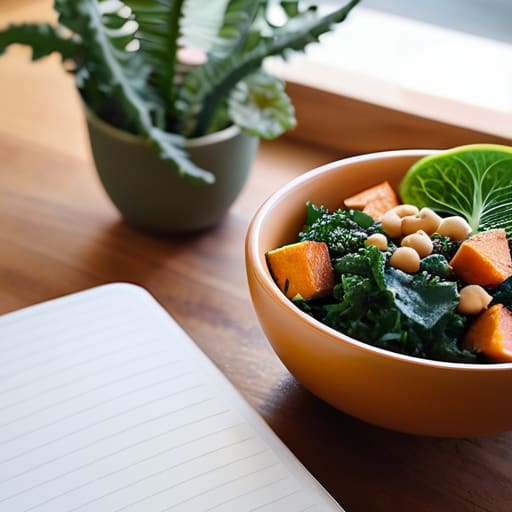
At the end of the day, eating well during your lunch hour isn’t about following some fleeting wellness trend or spending a fortune on organic microgreens. It is about basic, practical management of your most important resource: yourself. We’ve looked at why skipping meals is a mathematical error in your energy budget and how a little bit of foresight can save you from the high cost of convenience. Whether you are prepping a simple grain bowl at home or choosing a sensible salad over a heavy pasta that will leave you slumped at your desk by three, you are making a strategic business decision. If you don’t invest in your own fuel, you can’t expect to show up for the rest of the shift.
I spent twenty-six years watching staff members burn themselves out because they treated their bodies like machines that didn’t need maintenance. They were wrong, and so are you if you think you can run on caffeine and sheer willpower alone. Treat your midday meal like a brief, necessary reprieve rather than an obstacle to be cleared. When you sit down to eat, actually sit down. Give yourself ten minutes of peace and something decent to chew on. It won’t make the workload disappear, but it will ensure you have the stamina to handle whatever the afternoon throws at you.
Frequently Asked Questions
Is it actually worth the extra twenty minutes of prep time every morning, or am I just setting myself up for burnout?
Listen, I’ve seen enough exhausted line cooks try to power through a twelve-hour shift on nothing but black coffee and a handful of stale crackers to tell you this: you aren’t “saving” time, you’re just borrowing it from your afternoon productivity at a massive interest rate. That twenty minutes of prep is an investment in your sanity. If you don’t fuel the machine, the machine breaks. And trust me, burnout is much harder to fix than a lunch prep.
How do I stop falling into the trap of spending a small fortune on "healthy" takeout that’s actually just overpriced salt and oil?
You have to stop looking at the “Healthy” sticker on the delivery app and start looking at the ingredients. Those bowls are often just a way to hide mediocre produce under a mountain of sodium and cheap seed oils to make it palatable. If you want to break the cycle, you need a “formula,” not a recipe. Pick a grain, a protein, and two greens. Prep them Sunday. It’s cheaper, it’s actually clean, and you aren’t subsidizing someone else’s massive delivery markup.
What are the realistic ways to eat a proper meal when I’m stuck in a culture that treats a desk lunch like a badge of honor?
The “desk lunch” is a lie people tell themselves to feel productive, but you’re just performing theater for a computer screen. If you can’t walk out the door, you have to build a boundary. Bring something that doesn’t require a microwave—sandwiches with real ingredients or a proper grain salad—and for heaven’s sake, step away from the monitor. Even ten minutes of eating without a spreadsheet in your peripheral vision is a victory for your sanity.
