 Written by
 I spent twenty-six years watching people walk into my dining room and make the same mistake: they’d come in talking about “investments” and “rare vintages” they’d seen in a glossy magazine, only to order something that tasted like nothing and cost twice what it should have. There is a particular kind of nonsense peddled by influencers that makes you think you need a temperature-controlled vault and a mortgage-sized budget just to start. Let me tell you something I learned while balancing the books for my own sixteen-seater: learning how to build a small wine collection isn’t about showing off your cellar to the neighbors; it’s about knowing exactly what you want to drink on a rainy Tuesday when the world feels a bit too loud.
I’m not here to sell you on the prestige of a label or the hype of a sudden price spike. Instead, I’m going to tell you how to buy bottles that actually matter to your palate and your pocketbook. We’re going to talk about the practicalities of storage without the expensive gadgets, the logic of variety over volume, and why smart curation beats a cluttered shelf every single time. I’ve made enough expensive mistakes in this trade to know which ones are worth repeating, and I promise to keep this entirely free of pretension.
Building a Wine Cellar on a Budget Without Sacrificing Integrity
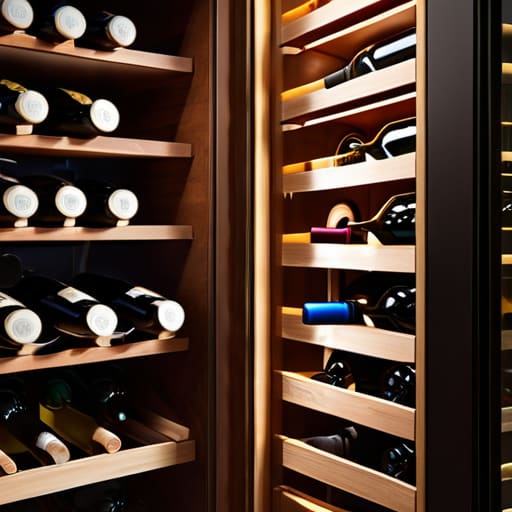
Look, you don’t need a temperature-controlled vault carved into a limestone basement to start. I’ve seen restaurateurs spend forty thousand pounds on a cellar only to realize they didn’t have the cash flow to actually buy the liquid to fill it. If you’re serious about building a wine cellar on a budget, start by looking at your environment rather than your bank balance. A dark, cool corner of a pantry or a dedicated wine fridge is a perfectly respectable starting point. The goal isn’t to impress the neighbors; it’s about avoiding the heat spikes that turn a decent bottle into expensive vinegar.
When it comes to what you actually put in those bottles, ignore the siren song of “investment grade” labels for now. You can’t afford to tie up all your capital in bottles you’re too afraid to drink. Instead, focus on essential wine varieties for collectors—the reliable workhorses like Nebbiolo, Rioja, or certain Burgundies—that actually have the structure to evolve. Buy what you enjoy, but buy it with the intention of letting it sit. If you wouldn’t drink it tonight, make sure you have a stable spot for it to sleep.
Wine Storage Solutions for Beginners Avoiding the Expensive Mistakes
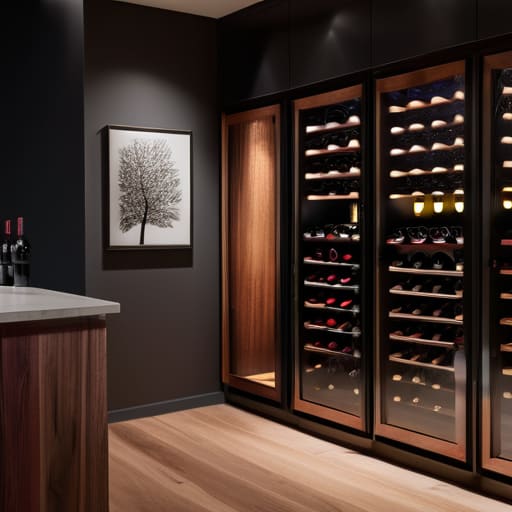
I’ve seen too many people pour their hard-earned money into a beautiful case of Rioja, only to let it die in a kitchen cupboard next to the toaster. If you’re looking into wine storage solutions for beginners, please, for the love of all that is holy, stay away from the top of the fridge. The vibration from the compressor is a slow death sentence for a fine wine, and the temperature swings will turn a delicate Pinot into something that tastes like vinegar before you’ve even had a chance to uncork it.
You don’t need a custom-built, climate-controlled vault that costs more than your first car to start. If you are serious about how to age wine properly, your best friend is a dedicated, cool corner of a cellar or a small, single-zone electric cooler. It’s about stability, not luxury. I spent twenty years watching staff leave expensive bottles near the oven vents because “it was just for a minute,” and I can tell you that a minute of heat can ruin a decade of aging. Invest in a steady temperature, keep the light low, and treat your bottles with the respect they deserve.
Five Rules for Not Turning Your Savings Into Vinegar
- Stop chasing the “investment grade” labels you see in magazines. Unless you have a climate-controlled vault and a decade of patience, those heavy-hitting vintages are just expensive paperweights. Start with what you actually like to drink; a collection that sits unloved in a dark corner is just a very slow way to lose money.
- Buy for the “middle years.” Everyone wants the birth year of a celebrity or the legendary vintage of a decade, but the real joy—and the better value—is in the wines that are hitting their stride right now or will in three years. I’ve seen too many people skip the delicious, drinkable stuff because they were too busy waiting for a mythical score to come true.
- Learn the math of the case. If you’re serious about building even a modest collection, try to buy by the case when the price is right. It’s not just about the discount; it’s about consistency. There is nothing more frustrating than finding a bottle you love, only to realize you can’t find another one because you didn’t secure the volume when the opportunity arose.
- Respect the “unsexy” regions. If you only buy Burgundy and Bordeaux, you’re competing with every billionaire in the world for a dwindling supply. Look toward the places that are just starting to get their act together—think certain parts of the Loire, Etna, or even high-end Rioja. You’ll get much more character and much less heartbreak for your pound.
- Keep a meticulous, boring list. This sounds like something a schoolteacher would say, but in my dining room, the biggest headache was always a mismatched cellar list. You need to know exactly what you have, when it was bought, and what it’s supposed to taste like. If you don’t track it, you’ll end up buying a duplicate of something you already own, or worse, pulling a cork on a bottle that’s been dead for five years.
The Bottom Line: What Actually Matters When You're Filling the Rack
Stop chasing the “investment grade” labels you see in magazines; buy what you actually enjoy drinking, because a cellar full of untouchable bottles is just expensive wallpaper that won’t pay your rent or satisfy your palate.
Prioritize consistency over quantity, because it is far better to own six bottles of a reliable, well-made producer that you understand than twenty bottles of “hype” wines that you’re too terrified to actually uncork.
Remember that every bottle you buy is a commitment of capital, so treat your collection like a pantry—buy with a plan for when you’ll drink it, or you’ll find yourself with a room full of liquid assets and nothing to serve when a friend actually drops by.
The Myth of the Grand Cellar
Stop thinking about a wine collection as a trophy cabinet for guests to marvel at; a real collection is a series of calculated decisions made to ensure that when the world feels particularly heavy, you have exactly the right bottle to steady yourself, and you didn’t go bankrupt trying to impress people who won’t even remember what they drank by breakfast.
Rosalind Achterberg
The Long Game of the Cellar
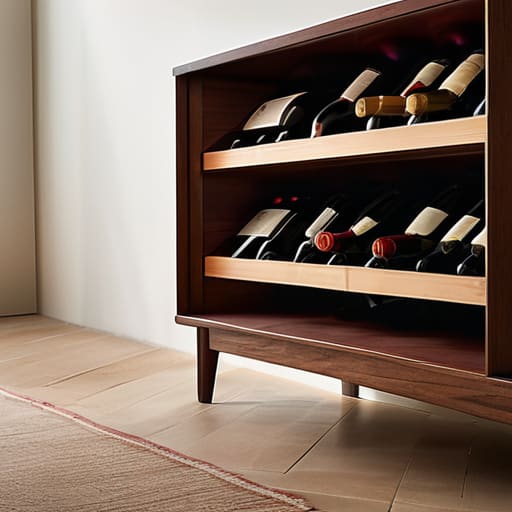
At the end of the day, building a collection isn’t about having a trophy cabinet that makes your neighbors jealous; it’s about the discipline of knowing what you have and why you have it. You don’t need a temperature-controlled vault carved into a limestone basement to start, but you do need to stop treating wine like a speculative stock market. Focus on the basics: steady temperatures, minimal light, and a selection that reflects your own palate rather than a trend you read about in a glossy magazine. If you can manage the cost of the bottles and the simple physics of storage, you’ve already bypassed the mistakes that bleed most beginners dry. It is a matter of patience over prestige, every single time.
I spent twenty-six years watching people rush through service, trying to make everything happen at once, only to realize that the best things in a restaurant—much like a good bottle of Rioja—require the luxury of time. Don’t feel pressured to fill your racks by next Tuesday. A collection is a living, breathing thing that grows alongside your own life and your changing tastes. Buy what you love, protect it with common sense, and let it age. There is a profound, quiet joy in pulling a cork from a bottle you tucked away years ago, knowing that you had the foresight to wait. That, to me, is the only real reward worth chasing.
Frequently Asked Questions
If I’m only starting with a few bottles, is it actually worth the investment to buy a dedicated wine fridge, or am I better off just finding a cool corner in the pantry?
Look, if you’re only holding five bottles, a dedicated fridge is a luxury you don’t need; it’s just more electricity and more capital tied up in a box. But don’t mistake a “cool pantry” for a cellar. If your kitchen gets hit by the afternoon sun or the heat from the oven, you aren’t storing wine, you’re cooking it. Find a dark, steady corner, or better yet, buy one decent, mid-range cooler once you hit twenty bottles.
How do I know which wines are actually going to age well versus which ones are just expensive labels that will taste like vinegar in three years?
Look, don’t let a gold-embossed label fool you; a high price tag is often just a marketing budget in a bottle. If you want longevity, look for structure—tannins in red, bright acidity in white. If the wine feels “flabby” or soft now, it’ll be dead in two years. Check the producer’s reputation for cellar aging, not their Instagram following. If you can’t taste the backbone, don’t bet your cellar on it.
When I’m buying for a collection rather than just a single dinner, how much should I be worrying about the markup and the "prestige" of the vineyard versus the actual quality of the liquid?
Listen, if you’re paying a 300% markup just to see a famous name on the label, you aren’t building a collection; you’re paying for someone else’s marketing budget. In my dining room, I’d rather serve a brilliant, nameless grower than a “prestige” bottle that tastes like expensive nothing. Buy the liquid, not the pedigree. If the price doesn’t reflect the craft, it’s just vanity in a bottle, and vanity doesn’t age well.
