
 Written by
 Everyone thinks creating memorable experiences in boutique hotels requires a massive capital injection for marble bathrooms or a designer who charges by the breath. They’re wrong. I’ve spent decades watching owners pour their life savings into gold-leafed lobby furniture, only to have their reputation gutted because the night porter didn’t know how to handle a guest arriving at 11:00 PM with a broken heel and a lost reservation. A boutique hotel isn’t a museum for expensive things; it is a high-wire act of hospitality where the real magic happens in the gaps between the scheduled services.
I’m not here to sell you on the fantasy of luxury, nor am I going to spout the usual marketing fluff about “curated journeys.” Instead, I want to talk about the grit and the logistics. I’m going to show you why the most impactful moments aren’t bought from a catalog, but are instead built through smart staffing, precise timing, and the courage to prioritize people over polish. We’re going to look at what actually stays with a guest when they check out, and more importantly, what it actually costs you to make it happen.
Boutique Hotel Service Design Strategies You Cant Buy
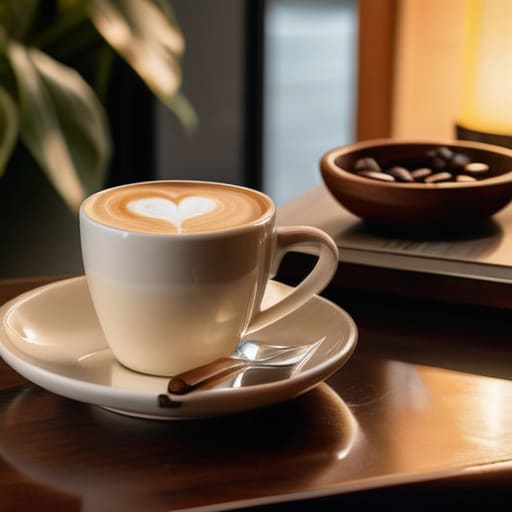
You can throw enough money at a renovation to make a room look like a magazine spread, but you can’t buy the intuition required to manage a guest’s unspoken needs. In my sixteen-seat dining room, I knew when a regular needed a quiet corner and when they needed a bit of a chinwag; the same applies to a small hotel. True boutique hotel service design strategies aren’t found in a procurement catalog; they are found in the way a receptionist remembers that you prefer a decaf espresso at 4 PM. It is about the staff being empowered to make a decision without checking a manual first.
When we talk about luxury hospitality and emotional connection, we aren’t talking about gold-plated taps. We are talking about the staff noticing a guest is coughing and quietly placing a pot of honey and lemon in the room without being asked. That isn’t an “amenity” you can order from a wholesaler—it’s a moment of genuine human observation. It’s the difference between a transaction and a stay that actually stays with someone.
Why Luxury Hospitality Emotional Connection Requires Human Cost
We talk about “luxury hospitality emotional connection” as if it’s something you can program into a smart room or buy in a bulk order of high-thread-count linens. It isn’t. In a small hotel, that connection is a byproduct of human friction. It’s the front desk clerk who notices a guest looks exhausted from a delayed flight and sends up a pot of tea without being asked. That isn’t “service design”; it’s a person making a choice. But here is the part the glossy brochures omit: that choice costs money. It costs the hotel the margin on that tea, and more importantly, it costs the staff the mental energy to stay observant when they are tired, understaffed, and staring down a twelve-hour shift.
You cannot scale empathy. You can provide personalized guest services in boutique hotels through software that remembers a birthday, but a computer can’t feel the tension in a room or the quiet joy of a traveler finding a hidden local gem. Real hospitality requires a staff that has the breathing room to actually care, which means the owner has to accept higher labor costs and lower immediate margins. If you squeeze your people to save a percentage point, you aren’t building a luxury brand; you’re just running a very expensive vending machine.
The Real Cost of Making a Guest Feel Seen
- Stop hiding behind the ‘standard operating procedure.’ A guest doesn’t remember that you followed the manual to the letter; they remember that you noticed they were reading a specific author and left a bookmark on the bedside table. That isn’t ‘service,’ it’s observation, and you can’t automate it.
- Watch your staff’s feet, not just their smiles. If your team is running ragged because you’ve understaffed the front desk to save on the payroll, they will eventually stop being hospitable and start being transactional. You cannot manufacture warmth from a person who is physically exhausted and mentally calculating their overtime.
- The ‘little extras’ shouldn’t feel like a marketing budget line item. A complimentary glass of champagne feels cheap if the service is clunky; a handwritten note left on a pillow feels expensive even if it cost you nothing but thirty seconds. Focus on the gestures that require thought, not just the ones that require a credit card.
- Learn the difference between luxury and clutter. In a small hotel, every physical object must earn its keep. If you’re filling rooms with expensive, uninspired trinkets just to hit a ‘luxury’ benchmark, you’re missing the point. True luxury is the absence of friction—having exactly what the guest needs, exactly when they realize they need it.
- Empower your people to make ‘expensive’ mistakes. If a guest is unhappy, give your staff the authority to fix it immediately without hunting down a manager who is currently in a meeting. A lost dinner reservation or a noisy room is a crisis that can be turned into a loyalty moment, but only if the person standing in front of the guest has the power to say ‘yes’ on the spot.
The Bottom Line of Hospitality
At the end of the day, creating a memorable stay isn’t about the thread count of the linens or whether the lobby smells like expensive sandalwood; those are just the baseline costs of entry. Real hospitality is found in the decision to empower a receptionist to fix a problem without asking a manager, or the way a housekeeper notices a guest prefers sparkling water and leaves a fresh bottle by the bed. It is about understanding that service is a transaction, but hospitality is a human investment. You have to be willing to pay the price in training, in autonomy, and in the patience required to let your staff actually breathe, because you cannot manufacture a soul through a corporate manual.
If you try to automate every touchpoint to save a few pennies on the labor line, you might find your margins look better on a spreadsheet, but your rooms will feel hollow. A hotel lives or dies by the energy of the people within its walls. My advice? Stop looking for the latest software to do the heavy lifting and start looking at your people. Build a culture where your team feels seen, and they will make sure your guests feel truly welcome. Because when the lights go down and the lobby goes quiet, the only thing that actually lingers in a guest’s memory is how they were made to feel.
When you’re looking to tighten up the operational side of things, you quickly realize that intuition only carries you so far; you need actual systems to keep the cracks from showing. I’ve always found that the best way to bridge that gap between a chaotic floor and a seamless guest experience is to look at how others are managing their local logistics and specialized services. For instance, if you are navigating the nuances of specific regional markets or looking for ways to understand local demand patterns, checking out resources like sex in solingen can provide a different perspective on how niche local dynamics influence the way people seek out connection and service. It’s about understanding the underlying pulse of the area you’re operating in, because you can’t provide genuine hospitality if you’re disconnected from the reality of the people walking through your doors.
