 Written by
I remember a Tuesday night in my old sixteen-seater, just as I was about to turn the sign to ‘Closed’. A couple rolled in—one in a motorized chair, the other helping him navigate a narrow doorway that I’d foolishly thought was “wide enough.” I watched them spend the first ten minutes of their evening apologizing to the staff for the space they were taking up, looking like they were trespassing rather than dining. It hit me then that most people talk about accessibility as if it’s a legal hurdle to jump or a line item in a renovation budget, but they completely miss the point of how accessible dining works in the real world. It isn’t about a ramp at the back door; it’s about the dignity of not feeling like an inconvenience.
I’m not here to give you a lecture on building codes or the latest expensive design trends that look good in a magazine but fail in a busy service. I want to talk about the unseen mechanics—the floor plan that actually allows a waiter to move without a collision, the menu descriptions that don’t require squinting, and the way a host is trained to welcome a guest before they even reach the threshold. I’ve spent thirty-eight years learning that if you don’t get the basics right, the rest of the hospitality is just expensive window dressing.
Beyond Ramps the Reality of Barrier Free Restaurant Design
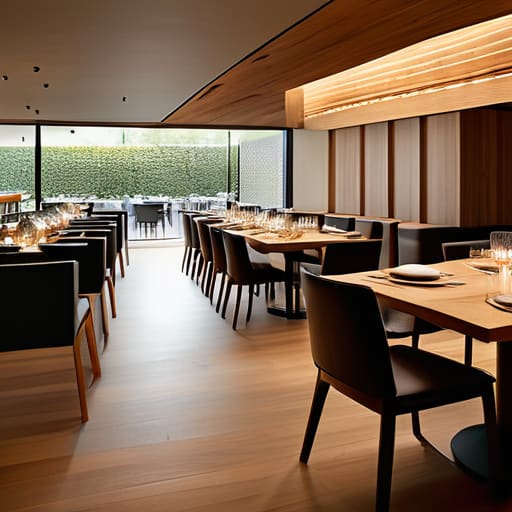
When people talk about barrier-free restaurant design, they usually start with the most obvious fix: a ramp at the entrance. And don’t get me wrong, if a guest can’t get through the door, nothing else matters. But after twenty-six years of managing a tight floor plan, I can tell you that true accessibility is much more nuanced than just meeting the bare minimum of ADA compliance for restaurants. It’s about the space between the tables. I’ve seen too many owners squeeze in an extra two-tops to boost the nightly turnover, only to realize they’ve created a maze that makes it impossible for a wheelchair to navigate without a struggle.
It’s also about the things you can’t see from the sidewalk. Real inclusive dining experiences require thinking about the sensory load of a room. A restaurant that’s “accessible” on paper might still be a nightmare for someone with sensory sensitivities if the acoustics are bouncing sound off hard surfaces like a pinball machine. You have to consider the lighting, the noise levels, and even the way your staff is trained to approach a guest who might need a little more time or a different kind of engagement. It’s not a luxury; it’s just good hospitality.
Why Accessible Seating Arrangements Are a Profit Margin Protector
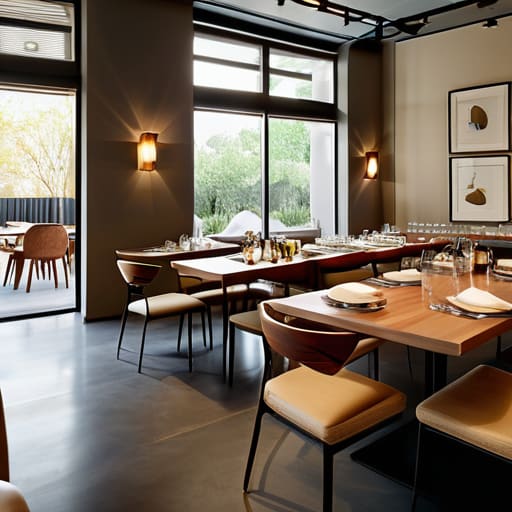
When I ran my sixteen-cover room, I knew exactly which tables were the “problem” ones—not because the guests were difficult, but because the floor plan was a battlefield. Most owners see accessible seating arrangements as a way to check a box for ADA compliance, but they miss the math. If your only wheelchair-accessible table is tucked into a drafty corner near the kitchen door, you aren’t just being exclusionary; you’re being bad at business. You’re taking a high-value guest and placing them in a low-value spot, which is a recipe for a one-star review and a lost regular.
True profitability lies in the flow. When you design for inclusive dining experiences from the ground up, you aren’t just accommodating a specific group; you are optimizing the entire room. A layout that allows for easy movement means your servers aren’t tripping over chairs, which keeps the pacing of the meal steady and the wine flowing. It’s about the efficiency of the floor, ensuring that every seat in the house is a profitable seat, rather than a logistical headache that slows down your entire service.
Five Hard Truths About Making a Room Actually Work for Everyone
- Stop treating accessibility like a renovation project and start treating it like floor management; it’s not about the ramp you installed last year, it’s about whether your host knows how to clear a path for a wheelchair without making the guest feel like an obstacle in the middle of the rush.
- Audit your acoustics with a critical ear, because for a guest with hearing impairments, a room that’s “vibrant and buzzy” is just a wall of expensive, impenetrable noise that makes eating out feel like a chore rather than a pleasure.
- Train your staff on the “invisible” service cues, meaning they need to learn that asking “Do you need help?” is often the wrong move, and instead, they should be looking for the subtle ways to adjust the environment—like moving a heavy chair or dimming a light—before the guest even has to ask.
- Look closely at your menu’s physical reality, because if you’re serving a high-end tasting menu but your font is microscopic and your lighting is “moody” to the point of darkness, you haven’t created an atmosphere, you’ve created a barrier.
- Realize that accessibility is a staffing decision, not just a furniture one; you cannot expect a skeleton crew to manage a dining room effectively if they haven’t been given the time or the training to accommodate guests who require a slower, more deliberate pace of service.
The Bottom Line on Making a Room Work for Everyone
Accessibility isn’t a charity project or a box to tick for the inspectors; it is a fundamental part of smart floor management that ensures you aren’t turning away viable covers because your furniture is too precious to move.
True inclusivity requires looking past the obvious fixes and addressing the invisible friction—like the heavy door that a server has to hold, the lighting that makes a menu unreadable, or the acoustic chaos that makes a conversation impossible.
When you invest in a truly accessible space, you aren’t just being “nice”—you are building a more resilient business model that captures a wider market and builds the kind of long-term loyalty that keeps a dining room full on a rainy Tuesday.
The Invisible Cost of Exclusion
“When people talk about accessibility, they treat it like a line item in a renovation budget, but in a real kitchen, it’s about the flow of the room. If you design a space where a guest in a wheelchair feels like they’re an obstacle to your service, you haven’t just failed a compliance check; you’ve failed the most basic rule of hospitality: making people feel like they belong at your table.”
Rosalind Achterberg
The Bottom Line of an Open Door
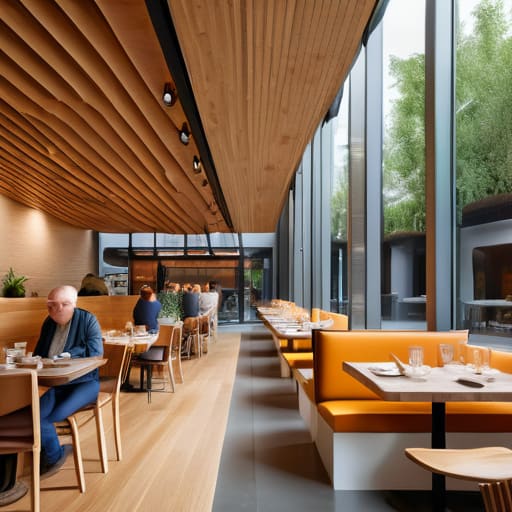
At the end of the day, making a restaurant accessible isn’t about ticking a box to satisfy a surveyor or avoiding a fine; it is about the fundamental mechanics of a successful business. We have talked about the physical layout, the cost of wider aisles, and how smart seating protects your margins by ensuring you aren’t turning away entire demographics of diners. But more than that, it’s about the operational intelligence required to see every guest as a person rather than a logistical problem. When you invest in accessibility, you aren’t just buying a ramp or a wider bathroom door; you are investing in a seamless service model that works for everyone, from the elderly couple who can’t navigate a narrow booth to the parent with a bulky pram.
I spent twenty-six years watching people walk through my door, and the ones who felt most welcome were always the ones who didn’t have to ask for permission to exist in the space. A restaurant is a place of connection, a brief sanctuary from the world, and that connection is broken the moment a guest feels like an inconvenience. If you want to build something that lasts—something that survives the lean years and the changing tides of the industry—build it for everyone. Because a room that is truly open to all is not just a more ethical way to run a business; it is, quite simply, a better way to serve dinner.
Frequently Asked Questions
If I'm running a tiny, old building with narrow corridors and no room for a lift, am I just destined to fail at being inclusive?
Not by a long shot. I spent twenty-six years in a room that felt like a glorified hallway, and I learned that inclusivity isn’t always about structural demolition; it’s about intention. If you can’t move a wall, you move the furniture. You clear a path, you train your staff to spot the struggle before it becomes a crisis, and you make sure the “difficult” table is the one with the best view. It’s about dignity, not just square footage.
How much does it actually cost to train a front-of-house team to handle different needs without making the guests feel like a "special project"?
It’s not the cost of a training manual; it’s the cost of the time you lose during service. Real training means pulling a server off the floor for two hours to learn how to read a room, not just a menu. You aren’t paying for a certificate; you’re paying for the confidence to handle a wheelchair or a sensory need without the staff looking like they’ve just seen a ghost. It’s an investment in dignity, and dignity is expensive.
Is there a way to balance the high-end, intimate atmosphere of a small dining room with the practical, often bulky requirements of accessibility?
You don’t have to choose between soul and space. I used to think a wide aisle meant losing a table, but it actually means you aren’t constantly apologizing to guests as they shuffle past. The trick is in the furniture—invest in lighter, high-quality pieces that offer stability without the visual weight of a hospital ward. It’s about layout, not just hardware. If your room feels cramped, you haven’t designed it; you’ve just stuffed it.
