 Written by
I’ve sat through enough industry seminars to know that when someone starts talking about “green initiatives,” they’re usually about to sell you a very expensive, very shiny solution that does nothing for your bottom line. They’ll talk about compostable straws and bespoke linen programs, but they never mention that the most important part of how to run hospitality sustainably has nothing to do with what you buy, and everything to do with what you stop doing. Real sustainability isn’t a marketing line on a menu; it’s the quiet, disciplined art of not throwing your profit—or your staff’s sanity—straight into the bin every single night.
I’m not here to give you a checklist of trendy lifestyle trends that look good on Instagram but leave your bank account bleeding. Instead, I’m going to tell you how to look at your prep lists, your energy bills, and your rotas through a lens of ruthless efficiency. We’re going to talk about the actual mechanics of keeping a kitchen running without burning through your margins or your people, because if you can’t make the math work, your “eco-friendly” dream won’t last a single season.
Reducing Food Waste in Restaurants Before It Bleeds You Dry
Reducing Food Waste in Restaurants Before It Bleeds You Dry
I used to watch my junior chefs treat a crate of heirloom tomatoes like they were disposable confetti, tossing bruised ones straight into the bin without a second thought. That’s not just bad for the planet; it’s a hole in your pocket that gets bigger every single night. Reducing food waste in restaurants isn’t some lofty environmental crusade; it is basic math. Every gram of organic matter you throw away is a gram of profit you’ve already paid for, plus the labor it took to prep it, and the fuel it took to get it to your door.
The real trick isn’t just buying better; it’s about knowing exactly what you’re actually using. I learned the hard way that a massive, sprawling menu is often just a fancy way of inviting waste into your kitchen. When you try to offer everything to everyone, you end up with a fridge full of dying herbs and half-used shallots. You have to master the art of the tight inventory. If you aren’t tracking your spoilage with the same discipline you use to track your bank balance, you aren’t running a business—you’re running a charity for the local landfill.
Sustainable Supply Chain Management Is a Math Problem Not a Sentiment
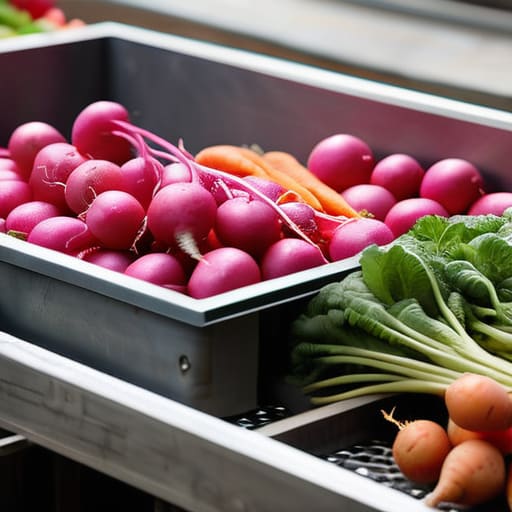
When people talk about sustainable supply chain management, they tend to get misty-eyed about “supporting local farmers” or “hand-picked heirloom carrots.” Don’t get me wrong, I love a local producer as much as the next person, but if that farmer is driving a half-empty van three hours to deliver five kilos of radishes, you aren’t being green; you’re just being inefficient. Real sustainability in a supply chain is a cold, hard calculation of logistics, frequency, and volume. It’s about finding the sweet spot where your carbon footprint shrinks because your delivery schedule actually makes sense for your bottom line.
You have to stop looking at your suppliers as just names in a phone book and start looking at them as variables in an equation. If you’re ordering from five different specialty vendors every single day, you aren’t just increasing your emissions; you’re inviting a logistical nightmare that eats your labor costs alive. A truly resilient supply chain means consolidating orders and building relationships that allow for flexibility without chaos. It’s not about a sentiment; it’s about ensuring you don’t go bust trying to save the world one overpriced micro-green at a time.
Five Hard Truths About Keeping the Lights On Without Killing the Planet (or Yourself)
- Stop treating your staff like a consumable resource. You can buy organic microgreens all day, but if you’re running your kitchen on a rota that forces your best chef to work eighty hours a week, you aren’t being sustainable; you’re just burning through human capital to pad a margin. A sustainable business needs people who can afford to live, or they won’t stay long enough to learn how to care about your food waste.
- Energy efficiency isn’t a luxury for the big chains; it’s a survival tactic for the small rooms. Every time a prep cook leaves a walk-in door ajar or a line cook runs the dishwasher while it’s half-empty, they are literally throwing your profit into the atmosphere. It’s about discipline and the small, boring habits that keep your utility bills from swallowing your bottom line.
- Rethink your “single-use” obsession. I know, compostable containers are trendy, but they’re expensive and often end up in the same landfill anyway. If you’re doing heavy takeaway, look at the actual lifecycle of what you’re buying. Sometimes, the most sustainable thing you can do is invest in better quality, reusable kit that survives more than three washes, rather than chasing the latest biodegradable gimmick.
- Water management is the invisible leak in your bank account. We talk a lot about food and electricity, but a dripping tap or a poorly maintained ice machine is a slow, quiet hemorrhage. Train your team to spot the leaks and respect the flow; it’s not just about being “green,” it’s about realizing that every gallon wasted is money that could have gone toward a better wine list or a staff bonus.
- Design your menu for the season, not for your ego. It is incredibly expensive and carbon-heavy to try and serve perfect strawberries in February. Real sustainability is about working with what the local growers actually have in stock, which means your menu has to be fluid. If you can’t handle a menu that changes because the weather changed, you aren’t running a sustainable kitchen—you’re running a museum.
The Bottom Line: Survival Over Sentiment
Stop treating sustainability like a luxury item you can afford only when the books are balanced; treat it as the discipline that keeps the books balanced in the first place.
Real sustainability is found in the boring, unglamorous details—the way you manage your rotas to prevent burnout, the way you tighten your portion controls, and the way you respect the cost of every single ounce of protein.
If your “green” initiatives don’t eventually show up in your margin or your staff’s longevity, you aren’t running a sustainable business, you’re just running a very expensive hobby.
The Human Cost of the Bottom Line
“Sustainability isn’t just about composting your vegetable peelings or sourcing heirloom tomatoes; it’s about realizing that if you’re running your kitchen on fumes and burning out your best chefs just to make the quarterly numbers, you aren’t being sustainable—you’re just liquidating your future for a bit of short-term profit.”
Rosalind Achterberg
The Bottom Line
At the end of the day, running a sustainable restaurant isn’t about chasing a trend or slapping a leaf icon on your menu; it’s about the unseen discipline of the back office. We’ve talked about why you can’t afford to let produce rot in the walk-in and why your suppliers need to be partners rather than just invoice numbers. It’s about realizing that every ounce of wasted protein and every hour of unnecessary energy use is a direct hit to your margins. Sustainability is simply good business management disguised as environmentalism. If you can’t manage your waste, your staff, and your stock, you aren’t being “eco-friendly”—you’re just being disorganized, and in this industry, disorganization is the fastest way to go bust.
If you’re feeling overwhelmed by the sheer scale of it all, remember that I didn’t build my sixteen-seat room by fixing everything at once; I did it by watching the small things. You don’t need a massive corporate CSR budget to make a difference; you just need to care about the integrity of your operation. When you respect your ingredients, your people, and your pennies, the rest tends to follow. It’s a hard, exhausting, often thankless way to make a living, but there is a profound, quiet pride in knowing that your business isn’t just taking from the world, but is actually built to last.
Frequently Asked Questions
How do I explain to my staff that "being sustainable" isn't just extra unpaid labor on top of an already grueling shift?
You don’t explain it with a lecture on the planet; you explain it with a lecture on their sanity. If “being sustainable” means they’re spending an extra hour scrubbing compost bins or sorting bins like they’re in a chemistry lab, you haven’t built a system, you’ve built a burden. Don’t ask for their passion; give them better tools and smarter prep lists. Sustainability only works if it’s baked into the workflow, not bolted on as an afterthought.
At what point does the cost of sourcing ethical, local ingredients actually start to break my food cost percentage?
It breaks you the moment your food cost percentage exceeds your ability to absorb a bad week. If you’re chasing “local” just for the label, you’re likely paying a premium for a farmer’s overhead that you can’t pass on to a customer who’s already feeling the pinch. The sweet spot is where the ingredient’s quality reduces your waste and justifies a higher menu price. If you can’t explain the value in the first bite, you’re just subsidizing a hobby.
If I cut down my menu to reduce waste, how do I stop my regulars from complaining that they have fewer choices?
You don’t stop them by apologizing; you stop them by being better. If you go from twelve mains to eight, those eight had better be the best things they’ve ever tasted. I used to tell my regulars that I wasn’t shrinking the menu, I was refining the kitchen. When the quality goes up, the quantity becomes irrelevant. People don’t actually want infinite choice; they want to trust that whatever they pick won’t be a mistake.
