 Written by
 I remember sitting at a corner table in a bistro last autumn, watching a young couple stare at their bill with that particular expression of quiet betrayal. They had just been hit with a charge for the sourdough and the carafe of still water, and they were looking at me like I’d personally reached into their pockets to steal their lunch money. They thought it was a scam, a sneaky little way for the house to pad the margins. But they didn’t see the math behind the curtain; they didn’t understand how bread and water charges work in a world where the price of organic flour and even basic filtration is climbing every single week.
I’m not here to defend every greedy restaurateur who uses a bread basket to mask a failing menu, but I am here to tell you the truth about the real costs. I’m going to pull back the linen and show you exactly why that charge exists, what it actually pays for, and how you can tell the difference between a fair service fee and a blatant cash grab. By the time we’re done, you’ll never look at a complimentary basket of rolls the same way again.
The Myth of Complimentary vs Paid Table Items
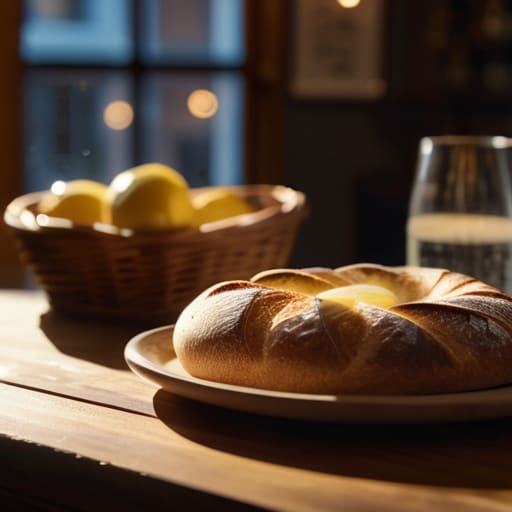
We’ve all been there: you sit down, a basket of warm sourdough appears, and you assume it’s a gift from the house. It feels like a gesture of hospitality, a little something to settle the stomach while you eye the wine list. But in the modern industry, the line between a gift and a line item has become dangerously thin. The debate over complimentary vs paid table items usually boils down to a misunderstanding of intent. When a place offers bread for free, they are absorbing the cost of the flour, the butter, and the labor of the person who sliced it. When they charge for it, they aren’t necessarily being greedy; they are simply refusing to subsidize your appetite out of their own dwindling margins.
The real friction arises from unspoken dining etiquette. If a menu doesn’t explicitly state that bread is an additional cost, most diners will treat it as a given. However, from where I used to sit—behind the till, watching the food waste pile up—I knew that every “free” loaf was a calculated decision. If a restaurant is struggling with rising ingredient costs, that bread becomes a way to stabilize the bottom line. It’s not a trick; it’s just the math of survival.
Understanding Restaurant Bill Line Items Without the Guilt
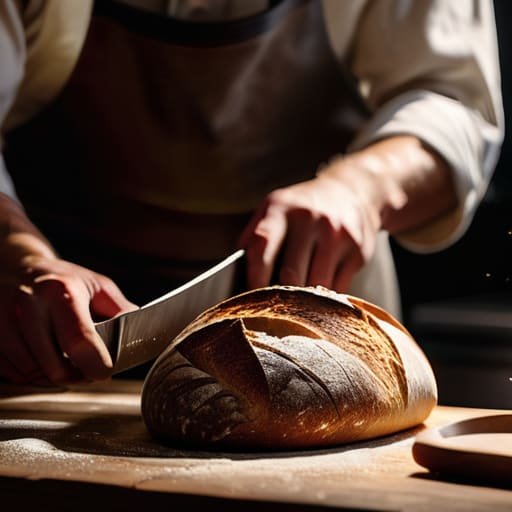
When that little line item appears on your receipt, it’s easy to feel like you’ve been nickeled and dimed. You start doing the mental math, wondering if you could have saved five pounds by just sitting there with your hands in your pockets. But understanding restaurant bill line items requires you to look past the immediate sting of the charge and see the logistics behind it. That bread didn’t just appear by magic; someone had to source the high-quality flour, someone had to bake it, and someone had to spend ten minutes of their shift slicing it and warming it just for you.
The guilt usually stems from a misunderstanding of unspoken dining etiquette. We’ve been conditioned to think that if something is placed in front of us, it must be a gift. In reality, in a tight-margin business, nothing is truly free. When you see an automatic bread service charge, you aren’t just paying for carbohydrates; you are paying for the operational rhythm of the room. It’s the cost of ensuring you aren’t sitting there with an empty stomach while you wait for your starter, keeping the momentum of the meal moving so the kitchen doesn’t get backed up.
Five ways to read between the lines of your bill
- Check the menu for the “fine print” before you even sit down; if a place is going to charge for a basket of sourdough, they’re usually too proud to hide it in the legalese at the bottom of the page.
- Don’t mistake a lack of a charge for generosity; sometimes a restaurant won’t charge for bread because they’ve already baked that cost into a slightly higher price for your main course.
- If you see a charge for “still or sparkling,” remember you aren’t just paying for the bubbles, you’re paying for the labor of the person who has to fetch the bottle, pour it, and replace the ice.
- Understand that when you ask for “just tap water,” you aren’t being cheap, you’re helping the restaurant’s margins—but don’t be surprised if the bread arrives anyway, because the kitchen has already prepped it.
- Look at the quality of the bread to decide if the charge is fair; if it’s a warm, crusty loaf from a local baker, pay it happily, but if it’s a basket of supermarket rolls, you have every right to ask why.
The Real Cost of the Little Things
That bread and water charge isn’t a scam; it’s the math that covers the flour, the salt, the electricity for the warmer, and the person who has to break it for you.
When you see a charge for “table items,” stop thinking about the ingredients and start thinking about the labor and the overhead required to keep them appearing effortlessly in front of you.
Don’t let a line item ruin your evening; understanding that these costs are part of a restaurant’s survival helps you see the business behind the plate, rather than just a bill you didn’t expect.
The Arithmetic of the Table
When you see a charge for bread or a carafe of water, don’t think of it as a penalty for eating; think of it as the quiet math that keeps the lights on. That two-pound charge isn’t just for the flour and the salt—it’s for the person who spent their prep time making that dough, the electricity that kept the oven hot, and the margin that ensures I can pay my dishwasher a living wage tomorrow.
Rosalind Achterberg
The View from the Other Side of the Pass
At the end of the day, those few extra pounds for a basket of sourdough or a carafe of filtered water aren’t some clever scheme to squeeze a few more coins out of your pocket. They are the math of survival. When you see those line items, remember they represent the flour that went up in price last month, the electricity running the warmer, and the wages of the person who ensures that bread arrives warm and water arrives cold. It is easy to look at a bill and feel nickeled and dimed, but once you strip away the frustration of the unexpected, you’re left with the reality of a business trying to stay upright. It isn’t about greed; it’s about covering the cost of the small things so the big things—the food, the roof, the staff—can keep happening.
I spent twenty-six years watching people walk out of my dining room, some happy and some bristling at the final total. If I learned anything, it’s that a restaurant is a fragile ecosystem. The next time you sit down, try to look past the menu and see the entire machine working around you. When you pay for the bread and the water, you aren’t just buying ingredients; you are participating in the quiet, difficult work of keeping a kitchen alive. If you want to support the places that feed your soul, don’t fight the math—just appreciate the hands that prepared the meal.
Frequently Asked Questions
If a restaurant is charging me for bread, does that mean they aren't including the cost of the service in the menu prices?
It’s a fair question, but it’s not an either/or situation. Your menu price covers the food, the rent, and the chef’s hands. The bread charge covers the specific logistics of that basket—the flour, the butter, and the person who has to break it for you. Charging for bread doesn’t mean the menu is “inflated”; it just means the restaurant is separating the cost of the meal from the cost of the service.
Is it considered bad form for a server to bring bread to the table without explicitly mentioning it’s a paid item?
It’s a bit of a dance, isn’t it? If I were running the floor, I’d say it’s poor service to let a guest assume something is free only to surprise them with a line item later. It feels like a trick, and nothing kills an appetite faster than feeling misled. A good server should always flag it: “May I bring some sourdough for the table? It’s four pounds.” Clear, honest, and no one feels cheated.
At what point does a "complimentary" basket of bread turn into an unfair way for a business to pad its margins?
It turns into a margin-pad when the bread is an afterthought—stale, frozen, or served with a shrug. If I’m charging for it, that bread needs to be a reason to stay, not a way to squeeze an extra three pounds out of a struggling table. It becomes unfair when the “complimentary” basket is used to mask a menu that’s too expensive or a kitchen that’s lost its way. Good bread is an investment; bad bread is just a tax.
