 Written by
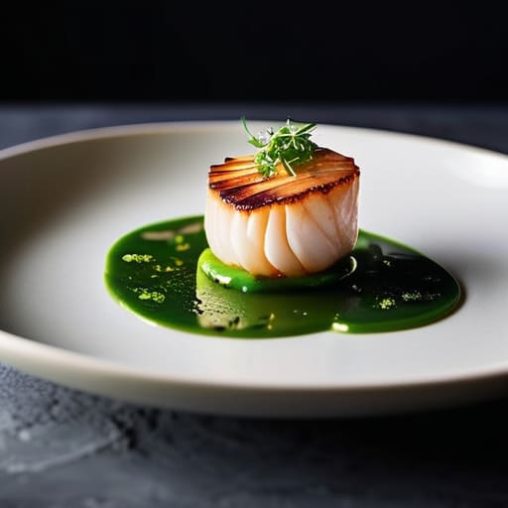
 I remember standing at the pass of my old dining room, watching a young chef agonize over a garnish of micro-greens, convinced that more was somehow better. He thought he was being generous, but he was actually just being reckless with the margins. People love to talk about “culinary vision” or “abundance” when they discuss dining out, but they rarely want to hear the truth about how portion sizes are decided. It isn’t some mystical decision made by a creative genius in a white jacket; it is a calculated tug-of-war between the plate, the pantry, and the bottom line. If the portion is too small, the customer feels cheated; if it’s too large, the kitchen goes into the red and the lights go out.
I’m not here to give you a lecture on nutritional guidelines or the aesthetics of plating. I want to pull back the curtain on the actual mechanics of the kitchen. I’ll show you why that steak is exactly seven ounces and not eight, how we calculate the cost of every single pea on the plate, and why a “generous” portion is often just a mask for poor inventory management. This is the unvarnished reality of the math behind your meal.
Standardized Recipe Scaling and the Death of the Generous Scoop
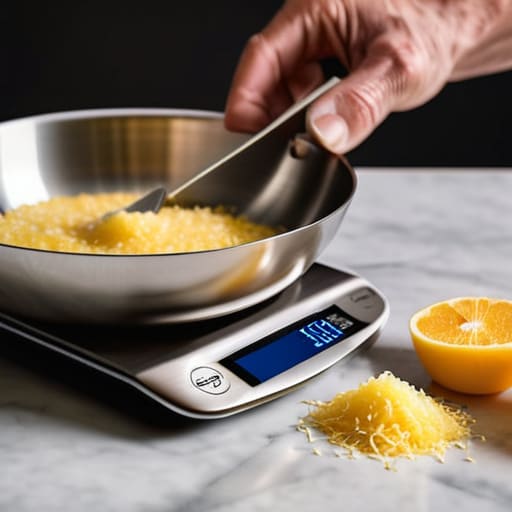
When I ran my sixteen-cover room, my head chef used to eyeball the risotto. He’d scoop until it looked “right,” which was a lovely, romantic way of saying we were bleeding money. In a real kitchen, that kind of intuition is a slow death sentence. To stay upright, you have to embrace standardized recipe scaling, which is a fancy way of saying every single plate must be a carbon copy of the last. It isn’t about being stingy; it’s about the fact that if the Tuesday night risotto is 20% heavier than the Wednesday night one, the Friday night payroll won’t clear.
This is where the “death of the generous scoop” happens. Customers often mistake this precision for greed, but they don’t see the math behind the madness. We aren’t just plating food; we are managing razor-thin food industry profit margins where a single extra ounce of protein per plate can be the difference between a profitable month and a forced sale. It’s a cold, hard calculation that turns a chef’s passion into a series of measured grams, but it’s the only way the lights stay on.
Food Industry Profit Margins vs Your Hunger
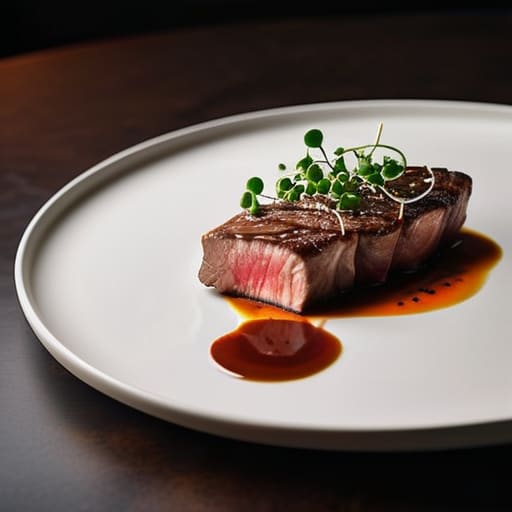
People often mistake a small plate for a lack of generosity, but they rarely see the razor-thin line we walk between a satisfied customer and a bankrupt business. When you look at food industry profit margins, you aren’t looking at a pool of extra cash; you’re looking at a tiny, vibrating margin that barely covers the electricity and the rising cost of eggs. If I decide to give you an extra two ounces of protein because you look hungry, I’m not just being kind—I’m effectively handing you my profit for the entire evening.
It’s a delicate dance between consumer psychological expectations and the cold, hard reality of the ledger. You want to feel full, and I want you to come back, but if I over-serve, I’m essentially subsidizing your appetite with my rent money. We aren’t being stingy for the sake of it; we are managing the math. Every gram of food is a calculation of survival, and in a small room, there is no such thing as a “free” extra scoop.
The Hidden Levers Behind the Plate
- The “Plate Gap” Illusion: We don’t just choose the food; we choose the ceramic. A wide-rimmed, oversized plate makes a modest portion look intentional and elegant, whereas the same amount of food on a smaller dish looks like a mistake or a stingy gesture. It’s visual psychology used to manage perceived value.
- The Consistency Tax: A chef might want to give you a “little extra” because the produce looks particularly beautiful that morning, but they can’t. If the kitchen staff isn’t using a specific scale or a notched scoop for every single order, the food cost fluctuates, the margin vanishes, and suddenly we can’t afford the electricity to run the pass.
- The Side-Dish Buffer: When a main course feels light, it’s often because the kitchen is banking on the “add-on.” We price the protein to keep the menu competitive, knowing that the real profit—and the sense of fullness—comes from the side of seasonal greens or the truffle fries that cost us pennies but carry a healthy markup.
- The Waste Factor: Portion sizes are a compromise between your hunger and our bin. If we serve a massive portion and the customer leaves half on the plate, that’s money literally being thrown in the trash. We aim for the “sweet spot” where you feel satisfied, but the amount of edible food ending up in the scrap bucket is kept to a minimum.
- The Labor-to-Weight Ratio: Sometimes a portion is smaller because the prep required to make it larger is too expensive. If a dish requires three hours of meticulous knife work to produce a larger yield, the labor cost will swallow the profit before the plate even hits the table. We size the dish to the skill level of the person making it.
The Reality Behind the Plate
A portion isn’t a measurement of generosity; it’s a calculation of survival where every extra ounce of protein is a direct threat to the rent.
When a plate looks “curated” or “minimalist,” it’s often because the kitchen has reached the exact mathematical limit of what they can serve without losing money.
The true cost of a meal isn’t just the ingredients, but the invisible labor of precision required to ensure that the hundredth customer gets the exact same amount as the first.
The Invisible Math of the Plate
When a customer complains that their portion looks a little lean, they think I’m being stingy; what they don’t realize is that I’m actually just trying to make sure I can afford to pay my sous chef a living wage and keep the lights on for another month.
Rosalind Achterberg
The Bottom Line on the Plate
At the end of the day, a portion size isn’t a personal slight against your appetite; it is a calculated decision made at a desk, not a kitchen pass. It is the result of balancing the cost of a single ounce of protein against the rising price of electricity and the wages of the person who actually cooked it. When you see a smaller plate or a tighter serving, you aren’t seeing greed—you are seeing the fragile math required to keep the lights on. Every gram is accounted for because in a small room, there is no such thing as a free meal, even for the owner.
I don’t want you to walk away from your next dinner feeling cheated, but I do want you to walk away with a little more empathy for the person behind the counter. The next time a dish arrives and it looks exactly as it should, recognize that it is a triumph of precision over chaos. A successful restaurant isn’t one that leaves you stuffed to the point of discomfort, but one that manages to honor the ingredients and the staff while staying solvent. Eat well, pay the bill, and remember that sustainability is the most important ingredient on any menu.
Frequently Asked Questions
If the math is so tight, why do some restaurants suddenly start serving massive plates while others seem to be shrinking everything?
It’s a tug-of-war between brand and survival. Some places go big because they’ve built a reputation on “value”—it’s a marketing tool to keep the regulars coming back when the margins are thin elsewhere. Others shrink everything because they’re desperately trying to offset a spike in electricity or a wage hike. One is playing a volume game; the other is fighting for its life. In both cases, the plate is reacting to the ledger, not the chef.
How much of a portion size is actually about the food cost, and how much is just about the cost of the plate and the garnish?
It’s a balancing act, but people forget that a plate isn’t just a vessel; it’s a line item. You aren’t just paying for the protein; you’re paying for the micro-greens, the reduction, and the labor it took to quenelle that purée. If I served a massive hunk of beef but nothing else, the plate would look lonely and the margin would vanish. We use garnish to fill the visual gap so the math stays hidden.
Does a smaller portion size actually save a restaurant money if it means customers stop coming back because they aren't full?
It’s a trap, and a short-sighted one at that. If you skimp on the protein to save three percent on your food cost, you aren’t “optimizing”—you’re just buying a one-way ticket to an empty dining room. A customer who leaves hungry is a customer who won’t return, and the cost of acquiring a new guest is always higher than the cost of a few extra grams of sea bass. You don’t win by being stingy; you win by being consistent.
