 Written by
 If you’re looking for a guide on how to find the best local brunch spots by scrolling through a sea of filtered photos of poached eggs and overpriced sourdough, you’ve come to the wrong place. I’ve spent twenty-six years behind a pass, and I can tell you that a beautifully lit avocado toast says absolutely nothing about whether the kitchen is actually functional. Most people chase the aesthetic, following the crowd into places where the staff is drowning, the coffee is an afterthought, and the “vibe” is just a thin veil for a menu that’s been designed for Instagram rather than for the stomach.
If you really want to know where the locals are actually eating—not where the tourists are being funneled—you have to stop looking at polished websites and start looking at the unfiltered chatter. I’ve always found that the most honest intelligence comes from the people who live in the neighborhood and have skin in the game, the ones who complain when a regular’s favorite dish disappears or when the service goes sideways. If you’re willing to do a little digging, joining a region chat community is often more useful than any curated list; it’s where you’ll find the real-time truth about which kitchen is actually firing on all cylinders and which one is just trying to survive the weekend.
I’m not here to sell you on a trend or point you toward the newest, loudest room in the neighborhood. Instead, I’m going to teach you how to read the room—and the menu—like a professional. I’ll show you how to spot the difference between a kitchen that’s mastered its prep and one that’s just faking it, and why the most important clue to a great meal often lies in the things you don’t see on a smartphone screen. We’re going to look at the real mechanics of a successful morning service, so you can stop wasting your Sundays on hype and start eating like you actually mean it.
Why Local Food Blogger Recommendations Often Miss the Mark
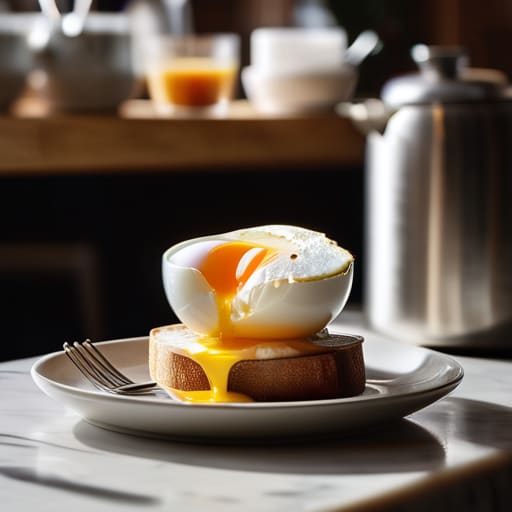
I’ve spent many a Tuesday afternoon scrolling through what people call local food blogger recommendations, and frankly, it’s enough to make you want to close up shop for good. Most of it is performative. You see a beautifully lit photo of a poached egg, a soft-focus shot of a latte, and a caption about “unbeatable vibes,” but you rarely see the frantic, disorganized kitchen behind the scenes. These influencers are looking for a backdrop, not a business. They chase the brunch atmosphere and vibes that look good in a square frame, but they don’t notice when the service is actually a choreographed disaster or when the staff is being run into the ground to maintain that “effortless” aesthetic.
When you start using food review apps for brunch, you’re often just looking at a popularity contest. A place can be “top rated” simply because they invested in neon signs and marble tabletops, even if their eggs are rubbery and their food cost is a mathematical impossibility. A blogger won’t tell you that the “hidden gem” they’re raving about is actually one bad month away from folding because they don’t understand the difference between a high turnover and a high quality of service.
The Truth About Using Food Review Apps for Brunch
I’ve seen it a thousand times: a restaurant spends six months perfecting their sourdough and sourcing organic eggs, only to be buried by a single disgruntled diner who had a bad day and decided to vent on an app. When you’re using food review apps for brunch, you aren’t reading a culinary critique; you’re reading a collection of moods. An app might tell you a place is “top rated,” but it won’t tell you that the rating is high because the lighting is good for selfies, even if the kitchen is currently drowning in a ticket backlog.
The problem with these platforms is that they prioritize the result—the plate of food—rather than the process. A five-star review rarely mentions that the service was frantic or that the “brunch atmosphere and vibes” felt forced because the owner was hovering too close to the tables. If you want to find those true hidden gem brunch locations, you have to look past the star count. Look for the reviews that mention the consistency of the coffee or the way the staff handles a rush. That’s where the real quality hides, tucked away between the complaints about a ten-minute wait for a mimosa.
The Things They Don't Put in a Five-Star Review
- Look for the ‘Limp Menu’ syndrome. If a place is trying to offer everything from Eggs Benedict to Shakshuka to Full English breakfasts to pancakes, they aren’t specialists; they’re just trying to catch every possible customer. A brunch spot that does five things exceptionally well is a business that understands its food cost and its prep time. A place that does twenty things mediocrely is a place where the kitchen is perpetually drowning.
- Watch the floor, not the plate. When you walk in, don’t look at the decor; look at the staff’s eyes. Are they moving with purpose, or are they hovering near the pass looking lost? If the service feels frantic or, worse, indifferent, it’s because the rot starts in the management. A good brunch spot needs a rhythm, and you can tell if they have it by how the staff handles the mid-morning rush without breaking a sweat.
- Check the turnover, but not the way you think. You don’t want a place that’s so packed you can’t move, but you also don’t want a ghost town. A busy restaurant is a sign of healthy cash flow, but a restaurant that is always packed with people sitting there for two hours over a single coffee is a business model that is slowly bleeding itself dry. The best spots have a steady, disciplined flow.
- The ‘Mid-Week Test’ is the only real metric. If you want to know if a place is actually good or just riding a wave of weekend hype, go on a Tuesday morning. If they can’t get a simple omelet right when the pressure is off, they certainly won’t get it right when the Saturday morning crowd is breathing down their necks. Consistency is the hardest thing to buy in this industry.
- Pay attention to the ‘Invisible Labor.’ A truly great brunch spot is one where you don’t have to ask for a napkin or a refill of water because it’s already there. That doesn’t happen by accident; it happens because the owner has trained the staff to anticipate, not just react. If you have to flag someone down every five minutes, the kitchen might be fine, but the business is failing you.
The Real Way to Brunch
At the end of the day, finding a decent brunch isn’t about mastering an algorithm or chasing a filtered photo of a poached egg. It’s about looking past the digital noise and recognizing the infrastructure of quality. You want to look for the places that aren’t trying to be everything to everyone—the spots that have a manageable menu, a staff that isn’t being worked into the ground by a ridiculous turnover rate, and an owner who cares more about the consistency of the hollandaise than the number of tags on Instagram. If you see a kitchen that is calm even when the tickets are flying, and a floor that feels intentional rather than frantic, you’ve likely found a winner. Remember, the best breakfast is built on stability, not hype.
Don’t be afraid to walk in without a reservation, sit at the bar, and just observe. Watch how the kitchen communicates with the front of house; watch how the server handles a mistake. A restaurant that treats its staff with respect will almost always treat your eggs with respect, too. Go where the food is honest, the service is invisible but efficient, and the business actually makes sense. Because when you find that perfect, quiet corner where the coffee is hot and the staff is settled, you aren’t just eating a meal—you are supporting a craft that deserves to stay open for another twenty years.
