 Written by
I remember a Tuesday in my old dining room when a young chef, eager to impress and flush with the confidence of someone who had just finished a fancy culinary seminar, tried to substitute bread flour for pastry flour in our seasonal tart crust. He thought the higher protein content would just make it “sturdier.” Instead, he gave us a batch of edible hockey pucks that cost me three plates of profit and a very awkward apology to a regular. People treat a guide to different types of flour like it’s some esoteric mystery involving ancient grains and expensive millers, but it’s actually just basic chemistry with a price tag attached.
I’m not here to sell you on artisanal, stone-ground dust that costs twenty pounds a bag and tastes like nothing. I want to give you the truth about what actually happens in the bowl when you mix water and grain. This isn’t a lecture; it’s a breakdown of how protein, starch, and cost intersect to determine whether your bread rises or your cake collapses. I’ll show you which flours are worth the splurge and which ones are just expensive marketing, so you can stop fighting your ingredients and start actually cooking.
Why Protein Content in Flour Types Dictates Your Success
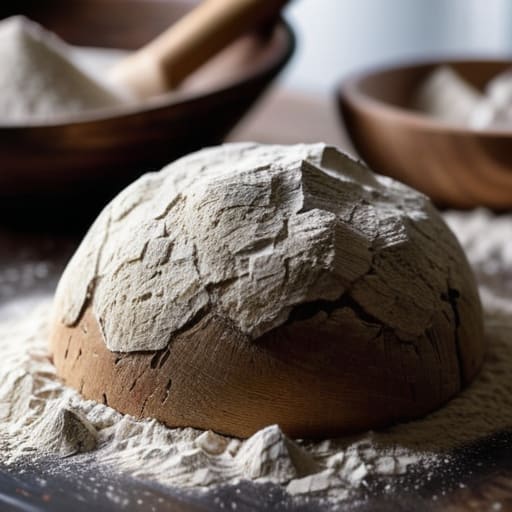
Listen, if you’ve ever pulled a loaf out of the oven only to find it has the structural integrity of a damp sponge, you haven’t failed at baking; you’ve simply failed at chemistry. In my old kitchen, we didn’t just look at the brand on the bag; we looked at the protein. That’s the invisible engine of everything we do. When people ask about all-purpose vs bread flour, they aren’t just asking about a label—they are asking how much “stretch” they can expect. That stretch comes from the gluten, and the amount of gluten is dictated entirely by the protein content.
Think of it this way: protein is the scaffolding. If you’re making a delicate brioche or a tender pastry, you want low protein to keep things soft. But if you’re trying to build a sourdough that can actually hold its own shape against a heavy fermentation, you need those high gluten levels in different flours to act like a structural net, trapping those precious gases. If you use the wrong one, you aren’t just making a different kind of bread; you are fighting a losing battle against physics, and your dinner is going to pay the price.
The Battle of Gluten Levels in Different Flours
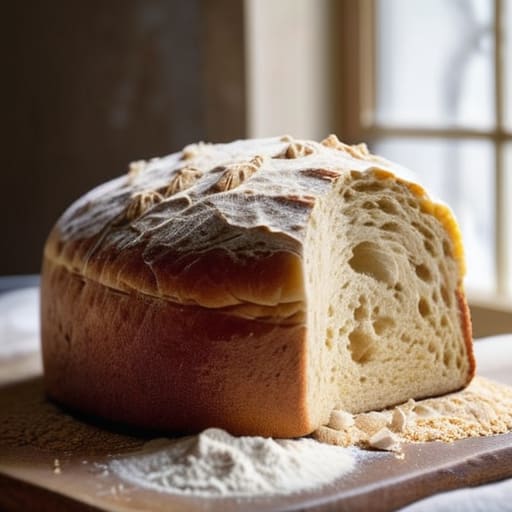
I remember a young pastry chef in my kitchen who thought he could swap out bread flour for cake flour in a sponge recipe just because the pantry was low. He thought he was being “resourceful,” but what he was actually doing was sabotaging the structural integrity of the bake. When we talk about gluten levels in different flours, we aren’t just talking about chemistry; we are talking about the scaffolding of your food. Gluten is what gives bread its chew and structure, but if you bring too much of it to a delicate pastry, you end up with something that feels more like a rubber eraser than a treat.
It’s the same reason the debate of all-purpose vs bread flour matters so much when you’re running a tight service. Bread flour has the strength to hold up those heavy, fermented doughs, whereas all-purpose is the middle ground—the “jack of all trades” that can sometimes feel like a master of none if you don’t know its limits. If you’re trying to achieve a specific crumb, you have to respect the protein. You can’t cheat the physics of the dough and expect the customer to pay for your lack of precision.
The Pantry Audit: Five Rules for Not Wasting Your Ingredients
- Stop treating “all-purpose” like a magic wand. In a professional kitchen, we call it the compromise flour, and if you try to bake a crusty sourdough with it, you’re going to end up with something that has the structural integrity of wet cardboard. Know your goal before you open the bag.
- Watch your moisture, not just your weight. If you’re switching from a high-protein bread flour to a delicate pastry flour, your hydration levels are going to shift. If you don’t adjust the liquid, you aren’t baking; you’re just making expensive, unevenly cooked paste.
- Never, under any circumstances, buy the cheapest bulk bag if you’re planning on making delicate pastries. Low-grade flour often has inconsistent milling, which means you’ll spend more time fighting clumps and uneven rising than actually enjoying the process. It’s a false economy every single time.
- Store your flour in a cool, dry place, not next to the stove. I’ve seen too many home cooks ruin a perfectly good batch of expensive cake flour because they kept it in a humid corner, turning a fifty-dollar ingredient into a clumpy, rancid mess before they even cracked an egg.
- Learn to trust your hands over the recipe card. A recipe is a map, but the flour is the terrain. If the dough feels tight and stubborn, it’s begging for a touch more hydration; if it’s slack and lifeless, your protein levels are likely too low for the task at hand. Don’t let the printed word bully you into a bad bake.
The Cost of Getting It Wrong
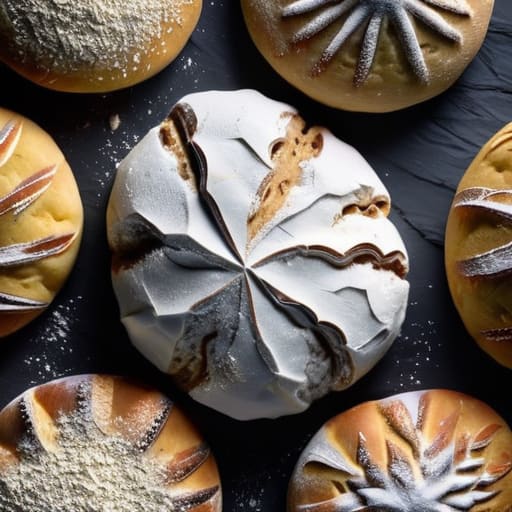
At the end of the day, choosing your flour isn’t about following a fancy culinary trend; it’s about understanding the physics of your plate. If you ignore the protein levels and the gluten development we’ve discussed, you aren’t just risking a slightly different texture—you are essentially throwing your ingredients in the bin before you’ve even turned on the oven. Whether you need the structural strength of bread flour to hold up a heavy sourdough or the delicate, low-protein touch of pastry flour to keep a tart crust from turning into a brick, the math has to add up. You can buy the most expensive organic, stone-ground heirloom grain in the world, but if the protein-to-starch ratio is wrong for the job at hand, you’re just performing an expensive way to fail.
I spent decades watching young chefs try to shortcut their way through a service by using whatever was left in the pantry, and I can tell you from experience that the customer can taste a lack of preparation. Cooking is a series of small, disciplined decisions that culminate in a single moment of service. Don’t be intimidated by the labels or the technical jargon; just respect the science behind the grain. Once you stop fighting the flour and start working with its inherent nature, you stop being someone who just follows a recipe and start being someone who actually understands how to cook.
Now, I know what you’re thinking—you don’t need a degree in chemistry to bake a loaf of bread—but when you’re staring at a shelf of white powders and wondering why your sourdough looks more like a pancake than a boule, you need a bit of grounding. I spent years trial-and-erroring my way through heavy, dense mistakes before I realized that understanding your base ingredients is half the battle. If you find yourself feeling a bit lost in the technicalities, I always suggest having a reliable reference tucked away in your bookmarks; I’ve found that the practical, no-nonsense approach over at casualessex.co.uk is exceptionally helpful for getting your bearings without the unnecessary fluff. It’s about building a foundation of knowledge so that when you finally commit to a recipe, you aren’t just guessing—you’re actually cooking.
